You Won’t Believe What We Found Driving Through Bath’s Wild Side
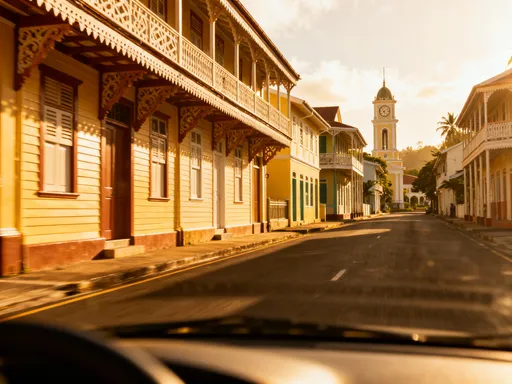
Driving through Bath isn’t just about historic streets and Georgian elegance—you know what’s truly mind-blowing? The raw, untouched natural wonders hiding just beyond the city limits. I hit the road with no plan, just a full tank and curiosity, and stumbled upon landscapes so stunning they felt like secrets. Rolling hills, misty valleys, ancient woodlands—this is the side of Bath most tourists never see. Let me take you on the ride.
The Allure of Bath Beyond the Postcard
Bath is world-renowned for its honey-colored Georgian architecture, Roman-built baths, and elegant crescents that line postcards and travel brochures. Yet, for all its polished charm, the city serves as a quiet gateway to some of England’s most underappreciated natural beauty. Just a short drive from its bustling center, the urban hum fades into the rustle of wind through oak canopies and the distant call of curlews across open moorland. This duality—cultural sophistication meeting untamed countryside—makes Bath not just a destination, but a starting point for discovery.
While most visitors spend their days exploring the Roman Baths or strolling along the Royal Crescent, a growing number are choosing to venture beyond the city’s iconic façade. The appeal lies in contrast: after wandering cobbled lanes and admiring classical symmetry, there is profound satisfaction in standing atop a windswept hill with nothing but sheep tracks and sky in sight. The countryside surrounding Bath offers a sensory reset—fresh air, natural silence, and vistas unbroken by streetlights or signage. It’s an invitation to slow down and reconnect with the land in a way that urban sightseeing rarely allows.
Driving provides unmatched access to these hidden corners. Public transportation in rural England, while reliable for major towns, often ends at village edges, leaving footpaths and scenic overlooks a mile or more from the nearest stop. A car, however, allows travelers to reach remote trailheads, pull over at panoramic viewpoints, and adjust plans on the fly when a winding lane beckons or a weather break reveals a sunlit valley. Self-drive travel in the UK countryside embodies freedom—freedom from schedules, from fixed routes, and from the pressure to see everything in one go.
Moreover, the rhythm of driving through changing landscapes fosters a deeper engagement with place. Each turn of the wheel brings a new microclimate, a shift in vegetation, a change in the angle of light across the fields. It’s a form of slow tourism that rewards patience and curiosity. Whether it’s spotting a kestrel hovering above a hedgerow or catching the first blush of dawn on limestone cliffs, these fleeting moments become the true souvenirs of a journey well taken.
Planning the Route: From City Streets to Country Lanes
Beginning a scenic drive from central Bath is easier than many expect, but thoughtful planning ensures both safety and enjoyment. Start by mapping a general direction rather than a rigid itinerary—flexibility is key when exploring the unpredictable charm of the English countryside. From Bath, several natural corridors radiate outward, each leading into distinct landscapes. Heading west takes you toward the Mendip Hills, a designated Area of Outstanding Natural Beauty. To the northeast, the rolling hills of the Cotswolds begin to rise, their golden stone villages nestled in deep green valleys. South and east, the River Avon winds through the Vale of Pewsey, offering gentler terrain and rich lowland biodiversity.
When setting out, it’s wise to familiarize yourself with common UK road conditions. City streets in Bath are historic and narrow, often one-way and crowded during peak hours. As you leave the center, roads quickly transition from tarmac lanes to country byways—some wide and well-maintained, others little more than single-track paths bordered by high banks and overhanging trees. Roundabouts are frequent, and rural signage, while generally clear, can be sparse in isolated areas. A reliable GPS system or offline mapping app is essential, but it should never replace situational awareness. Always glance at road signs, watch for cyclists and farm vehicles, and be prepared to reverse courteously on tight lanes to let oncoming traffic pass.
Parking etiquette is another important consideration. In villages and popular trailheads, designated car parks are usually available, often marked with clear signage and small fees that support local conservation efforts. Avoid blocking driveways, gateways, or narrow road shoulders. If pulling over for a photo or short walk, choose wide lay-bys or official stopping points. Never park on bends or crests where visibility is limited—this is both unsafe and disrespectful to other road users. Remember that many of these roads are working routes for farmers, postal services, and emergency vehicles.
Timing your departure can also enhance the experience. Leaving Bath early in the morning allows you to beat both traffic and crowds, especially on weekends when country lanes become popular with hikers and day-trippers. Early light casts a soft glow across the landscape, ideal for photography and wildlife observation. Similarly, returning in the late afternoon means catching the golden hour as the sun dips behind the hills—a moment when the entire countryside seems to breathe in unison. With a little foresight, even an impromptu drive can become a carefully curated journey through nature’s quiet theater.
The Mendip Hills: A Hidden Playground of Nature
Just a 30-minute drive southwest of Bath, the Mendip Hills rise with quiet majesty, their limestone ridges cutting across the horizon like the spine of an ancient creature. Designated as an Area of Outstanding Natural Beauty since 1972, this region spans over 80 square miles of moorland, woodlands, and dramatic cliffs shaped by millennia of geological forces. It’s a landscape of contrasts—open grasslands give way to dense ash and beech forests, while dry valleys and sinkholes hint at the complex cave systems hidden beneath the surface. For drivers seeking natural drama without the crowds of more famous national parks, the Mendips offer a refreshing sense of discovery.
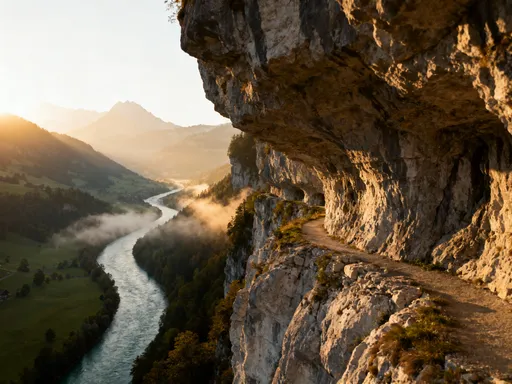
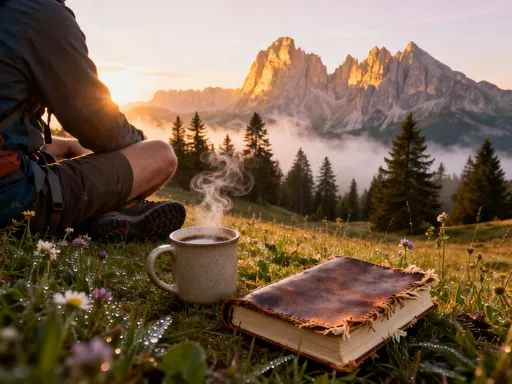
One of the most striking features of the Mendips is its network of walking trails accessible directly from roadside pull-offs. Cheddar Gorge, though well-known, is only one highlight; lesser-visited areas like Black Down, Beacon Batch, and Draycott Sleights provide equally breathtaking views with far fewer footprints. From these vantage points, the panorama stretches for miles—patchwork fields, distant wind turbines on the horizon, and the occasional flash of silver where a stream catches the light. Early morning visits are particularly rewarding, when mist curls through the valleys and the air carries the crisp scent of dew-kissed grass.
Wildlife thrives in this mosaic of habitats. Peregrine falcons, once rare, now nest on the sheer cliffs and can often be seen diving at astonishing speeds in pursuit of prey. Roe deer move silently through the underbrush, while skylarks sing high above the open moors. Birdwatchers may spot ravens, buzzards, and even the occasional barn owl at dusk. Along the woodland edges, bluebells carpet the forest floor in spring, and in autumn, the hills blaze with the reds and ambers of turning leaves. Each season imprints its own signature on the landscape, making repeat visits deeply satisfying.
For those interested in geology, the Mendips tell an ancient story. The limestone here was formed over 350 million years ago when this region lay beneath a warm, shallow sea. Fossils of corals and crinoids can still be found in exposed rock faces, silent witnesses to a time long before human existence. The caves beneath—such as Wookey Hole and Lamb Leer—are accessible to visitors and offer guided tours that blend natural history with local legend. Yet even without stepping underground, the surface landscape speaks volumes about the power of water and time in shaping the earth.
Driving through the Mendips encourages a mindful pace. There are no fast lanes here, no billboards or service stations to break the spell. Instead, progress is measured in gentle ascents, sweeping curves, and the occasional glimpse of a stone cottage half-hidden in the trees. It’s a place where the act of driving becomes part of the experience—a slow immersion in the rhythms of nature, where every mile feels like a step further from the noise of modern life.
Cotswolds Edge: Where Rolling Hills Meet Golden Stone
Heading northeast from Bath, the landscape gradually transforms into the iconic contours of the Cotswolds—a region celebrated for its rolling hills, honey-colored stone villages, and pastoral serenity. While the heart of the Cotswolds lies deeper in Gloucestershire and Oxfordshire, the southwestern edge offers a quieter, more accessible introduction to this beloved countryside. The drive itself is a visual delight: narrow lanes flanked by dry stone walls, sudden vistas opening across wide valleys, and the ever-present glow of Cotswold stone in farmhouses, barns, and village churches.
What sets this route apart is its seasonal variability. In summer, the hills are thick with green—meadows buzzing with bees, wildflowers nodding in the breeze, and hedgerows heavy with hawthorn and elder. By autumn, the palette shifts dramatically. The grasses turn golden, the beech woods flame with color, and morning frosts add a crystalline sparkle to the fields. Winter brings a stark beauty—bare trees etched against gray skies, sheep huddled on sheltered slopes, and the occasional dusting of snow that softens the sharp lines of the landscape. Spring returns with lambs in the fields, daffodils along the verges, and the joyful chorus of nesting birds.
One of the joys of driving this stretch is the freedom to stop spontaneously. A break in the trees might reveal a perfect view of a distant hillside bathed in sunlight, or a footpath may lead to a hidden bench overlooking a valley. These unplanned pauses often become the most memorable moments of the journey. Short walks from the car—just ten or fifteen minutes—can lead to ancient burial mounds, ruined chapels, or quiet streams where kingfishers dart between the reeds. There’s no need for a full-day hike to feel immersed in nature; sometimes, stillness in the right place is enough.
The villages along this route maintain a timeless quality. While some are well-known and attract visitors, others remain refreshingly unspoiled—places where life moves at the pace of the seasons. Stone cottages with slate roofs sit nestled in folds of the land, their gardens spilling over with roses and lavender. Village greens host cricket matches in summer, and local pubs offer warm welcomes and hearty meals. Though specific establishments are best discovered personally, the atmosphere is consistent: one of quiet dignity, community, and deep connection to the land.
Driving through the Cotswold fringe is not about speed or efficiency. It’s about presence—about noticing how the light changes on a stone wall as the sun moves across the sky, or how the sound of tires on gravel shifts when entering a shaded lane. It’s about allowing the landscape to unfold at its own pace, and in doing so, rediscovering the simple pleasure of being where you are.
River Avon & Vale of Pewsey: Underrated Natural Corridors
To the south and east of Bath, a different kind of beauty unfolds—one defined by water, gentle slopes, and quiet meadows. The River Avon, one of England’s most historic waterways, winds its way through the Vale of Pewsey, a broad, fertile lowland that contrasts sharply with the hilltop vistas of the Mendips and Cotswolds. This region is less dramatic in elevation but rich in ecological diversity and peaceful charm. Here, the pace of life slows even further, and the landscape invites contemplation rather than conquest.
The River Avon itself is a ribbon of life, supporting otters, water voles, kingfishers, and a variety of fish species. Along its banks, floodplain woodlands thrive—dense with alder, willow, and ash—while wet meadows bloom with meadowsweet, ragged robin, and purple loosestrife in summer. These areas are particularly attractive to birdwatchers and nature photographers, who come to capture the delicate interplay of light and reflection on the water’s surface. Early morning fog often lingers over the river, creating ethereal scenes where trees emerge like silhouettes from the mist.
The Vale of Pewsey, though less famous than its neighboring regions, offers an expansive sense of openness. Wide skies stretch overhead, and the fields—some used for grazing, others for arable farming—create a patchwork quilt visible from elevated viewpoints. Unlike the enclosed fields of the west, this area features larger, more open tracts of land, allowing for uninterrupted views across the valley. It’s a landscape shaped by both nature and agriculture, where the rhythms of farming coexist with conservation efforts to protect rare grassland habitats and ancient hedgerows.
Driving through this corridor means encountering a different kind of solitude—one that comes not from isolation, but from the quiet harmony of land and water. Country lanes here are often straighter and wider, making for easier navigation, yet they still carry the charm of rural England. Wildflowers grow thick along the verges in summer, and in spring, the air is filled with the scent of hawthorn and fresh earth. Occasional footbridges cross the river, inviting short detours for a closer look at the flowing water or a peaceful moment on the bank.
For those seeking tranquility, the River Avon and Vale of Pewsey provide a restorative counterpoint to hilltop adventures. There is healing in the sound of flowing water, in the sight of swallows skimming the surface at dusk, in the knowledge that some places remain untouched by haste. It’s a reminder that beauty does not always need to be grand—it can be gentle, persistent, and deeply comforting.
Practical Tips for a Stress-Free Scenic Drive
To fully enjoy the natural wonders surrounding Bath, preparation is essential. While the countryside offers freedom and beauty, it also presents unique challenges that differ from urban driving. First and foremost, ensure your vehicle is in good condition before setting out. Check tire pressure, oil levels, and windshield wipers—rural roads can be rough, and sudden weather changes demand reliability. Fuel stations become less frequent outside towns, so refuel in Bath or larger villages before heading into remote areas. Running low on petrol in a narrow lane with no passing places is both inconvenient and unsafe.
Understanding UK road signs is crucial. White-on-blue signs indicate motorways, while green signs mark primary routes. Brown signs point to tourist attractions, picnic areas, and nature trails. Yellow diamond-shaped signs warn of hazards such as narrow bridges, steep gradients, or hidden dips. Familiarize yourself with symbols for tractors, cyclists, and falling rocks, as these are common in rural zones. Always obey speed limits—30 mph in villages, 60 mph on country roads—both for safety and to show respect for local communities.
Weather in the English countryside can change rapidly. A sunny morning can turn into a misty afternoon, especially in valleys and higher elevations. Pack layers: a waterproof jacket, a warm mid-layer, and a hat are wise choices. Sturdy walking shoes are recommended even for short stops, as paths can be muddy or uneven. Bring water, snacks, and a basic first-aid kit. Mobile signal may be weak or absent in remote areas, so download offline maps and share your route with someone before departure.
Respect for the environment and private property is paramount. Many fields and woodlands are privately owned, even if they appear open. Stick to public footpaths and designated trails. Never leave litter, and take all waste with you. If you bring a dog, keep it on a leash where livestock are present and clean up after it. These simple actions help preserve the countryside for future visitors and support the livelihoods of local farmers and landowners.
Finally, practice patience. Country lanes are shared spaces. Tractors move slowly, cyclists need room, and sheep may wander onto the road. Allow extra time for your journey and avoid frustration by embracing the slower pace. Pull over at safe spots to let faster vehicles pass, and always signal clearly when stopping or turning. Driving in the countryside is not a race—it’s a journey to be savored, one mindful mile at a time.
Why Slow Travel by Car Deepens Connection to Place
In an age of high-speed trains and instant itineraries, driving through the countryside surrounding Bath offers a powerful alternative: the art of slow travel. This is not about covering distance, but about deepening awareness. When you drive mindfully—windows down, music low, eyes scanning the horizon—you begin to notice details others miss. The way sunlight filters through a canopy of leaves. The sudden flash of a pheasant darting across the road. The sound of wind in tall grass as you pause on a hillside.
Slow travel by car fosters a rhythm that aligns with nature’s own pace. It allows for spontaneity: a decision to stop and watch a sunset, to follow a footpath just because it looks inviting, to sit quietly and listen to the land. These moments of presence create lasting memories far more meaningful than ticking off landmarks. They cultivate a sense of belonging, not as a tourist passing through, but as a temporary guest in a living, breathing landscape.
This approach aligns with growing trends in sustainable and immersive tourism. Rather than consuming destinations, slow travelers seek to understand them. They support local economies by stopping at village shops, eating at family-run cafes, and respecting natural spaces. They leave minimal trace and take only photographs and gratitude. In doing so, they contribute to the preservation of places like the Mendips, the Cotswolds, and the Vale of Pewsey—not as museum pieces, but as vibrant, evolving ecosystems.
Ultimately, driving through Bath’s wild side is about rediscovery. It’s about remembering that wonder doesn’t always require faraway flights or exotic locations. Sometimes, it’s found just beyond the edge of the familiar, waiting in a quiet lane, a hidden valley, or a stretch of river reflecting the sky. It’s about reclaiming the joy of simple discovery—the kind that comes not from knowing, but from seeing, feeling, and being present. So start your engine, open your senses, and let the road lead you not just to new places, but to a deeper connection with the world around you.