This Is Why Slow Travel in the Dolomites Changes Everything
You know that feeling when a place just gets to you? The Dolomites did that to me. Instead of rushing, I slowed down—really down—and discovered views most people miss. Hidden valleys, silent peaks, coffee with locals at sunrise. It wasn’t just a trip; it was a reset. If you’ve ever wondered where true beauty lies in travel, start here. In a world that glorifies speed and packed itineraries, the Dolomites quietly challenge that rhythm. These mountains, part of the Southern Alps in northern Italy and recognized as a UNESCO World Heritage site, are not meant to be conquered in a day. Their grandeur unfolds gradually, like morning light spilling across limestone spires. This is not a destination for checklists. It’s a place for presence. And when you allow yourself to move slowly, the landscape begins to speak—not in words, but in stillness, in color, in quiet moments that linger long after you’ve returned home.
The Magic of Slowing Down in the Mountains
Most travelers arrive in the Dolomites with cameras ready and trail maps marked, eager to see the famous peaks: Tre Cime di Lavaredo, Marmolada, Seceda. And yes, these landmarks are breathtaking. But the real transformation begins when you stop treating the region as a series of photo opportunities and start experiencing it as a living, breathing place. Slow travel in the mountains is less about distance covered and more about depth achieved. It means spending an entire morning on a single alpine meadow, watching clouds drift between jagged ridges, or returning to the same overlook at dawn, noon, and dusk to witness how light reshapes the stone. The difference between seeing and truly perceiving is time—time to notice the way edelweiss clings to rocky crevices, how marmots whistle from hidden burrows, or how the air changes after a mountain rain.
When you slow down, your senses sharpen. The mind quiets. Instead of rushing from one viewpoint to the next, you begin to notice subtle shifts: the scent of pine after sunrise, the soft crunch of gravel underfoot, the distant chime of cowbells echoing through the valley. This is where tourism ends and immersion begins. Studies in environmental psychology suggest that prolonged exposure to natural landscapes reduces stress and enhances emotional well-being. In the Dolomites, this isn’t just theory—it’s daily experience. Sitting on a wooden bench outside a mountain hut, sipping herbal tea while watching the sun dip behind a pale pink ridge, you feel a shift. The constant mental chatter fades. You’re no longer a visitor passing through. You’re part of the scene.
Many tourists follow the same well-worn paths, often arriving in tour buses or rented cars, snapping photos before moving on. But those who stay longer—those who return to the same spot, who let the rhythm of the mountains guide their days—discover a different kind of beauty. It’s the kind that doesn’t fit neatly into a social media post. It’s the warmth of a local farmer offering you a slice of homemade cheese, the surprise of a hidden waterfall behind a curtain of trees, the peace of a midday nap in the grass while sheep graze nearby. These are not attractions. They are moments of connection, made possible only by time and stillness.
Choosing the Right Base: Where to Stay for Deeper Access
One of the most important decisions in slow travel is where to plant your roots. The Dolomites span several provinces in northern Italy, including South Tyrol, Trentino, and Belluno, each with its own character and access points. Rather than hopping from hotel to hotel, consider choosing one central base and exploring outward from there. This approach minimizes travel fatigue, reduces environmental impact, and allows you to build familiarity with a single community. Over time, shopkeepers begin to recognize your face, trail guides offer personalized tips, and you start to feel less like a tourist and more like a welcomed guest.
Villages like Ortisei, in the Val Gardena, offer an ideal balance of comfort and authenticity. Nestled in a lush valley surrounded by towering peaks, Ortisei provides easy access to hiking trails, cable cars, and cultural landmarks while maintaining a strong sense of local identity. The town is known for its woodcarving tradition, and wandering its quiet streets, you’ll pass family-run workshops where artisans shape intricate sculptures by hand. Staying here for several nights allows you to explore nearby areas like Alpe di Siusi—the largest high-altitude meadow in Europe—without the rush of daily relocation. Similarly, Cortina d’Ampezzo, though more famous and slightly busier, offers excellent infrastructure and access to dramatic landscapes, especially in the Ampezzo Dolomites Natural Park.
For those seeking even greater tranquility, smaller hamlets such as San Cassiano, Corvara, or Wengen (not to be confused with the Swiss village of the same name) provide a more intimate experience. These places may have fewer restaurants and shops, but they offer something far more valuable: silence, authenticity, and direct contact with nature. Many family-run guesthouses, known locally as *pensioni* or *agriturismi*, welcome long-term guests and often serve home-cooked meals made with regional ingredients. Staying in such accommodations fosters a deeper connection to the land and its people. You’re not just observing local life—you’re participating in it, even in small ways, like joining the evening passeggiata, the traditional Italian evening stroll through the village center.
When selecting a base, consider proximity to public transportation, trailheads, and local markets. The Dolomites have an efficient network of buses and cable cars that connect villages and high-altitude starting points, reducing the need for a car. Staying in a walkable village with access to these services not only simplifies logistics but also encourages a slower pace. You wake up, have breakfast on a sunlit terrace, check the weather, and decide your day based on mood and mountain conditions—not a rigid itinerary. This flexibility is at the heart of meaningful travel.
Morning Light & Silent Peaks: Chasing the Best Perspectives
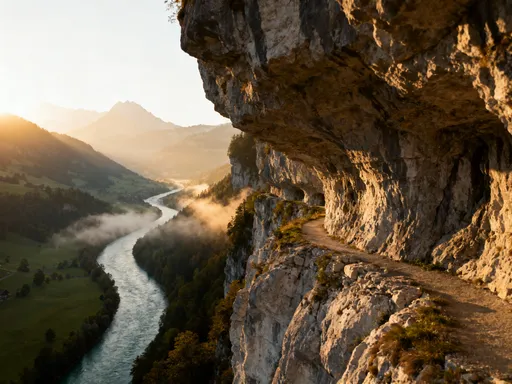
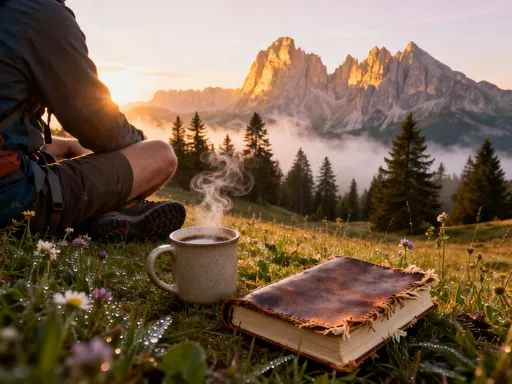
There is a particular kind of magic in the Dolomites at dawn. As the first rays of sunlight strike the pale rock faces, the mountains ignite in hues of rose, gold, and amber. This phenomenon, known locally as *enrosadira*, transforms the limestone into something almost otherworldly. It lasts only minutes, but those who rise early are rewarded with a sight few others witness. The air is crisp, the trails are empty, and the silence is profound. This is not the time for crowds or chatter. It’s a moment for stillness, for breathing deeply, for letting the beauty settle into your bones.
One of the best places to experience this is Alpe di Siusi. At around 2,000 meters above sea level, this vast plateau offers unobstructed views of the surrounding peaks, including Sassolungo and Sciliar. Arriving by foot or cable car before sunrise, you’ll likely have the meadow to yourself. As the light shifts, the colors dance across the rock, and the shadows retreat like dark water. There’s no need to rush. Find a flat stone, sit, and wait. Watch how the contours of the mountains change as the sun climbs. Listen to the distant call of a bird, the rustle of grass in the wind. This is where photography takes a backseat to presence. Yes, take a few photos if you wish, but don’t let the lens become a barrier between you and the moment.
Another unforgettable vantage point is the ridgeline of Seceda, accessible from the village of Santa Cristina. The steep ascent rewards hikers with panoramic views of jagged peaks and deep green valleys. But the real beauty comes not from the summit itself, but from the journey and the timing. Most visitors arrive mid-morning, when the trails are busy and the light is harsh. By contrast, those who start early find a different world—one of mist-shrouded slopes and soft, diffused light. The same view, experienced at different times, feels like two entirely different places. This is the power of patience. It allows you to see beyond the postcard version of the Dolomites and into their soul.
Timing isn’t just about light; it’s also about rhythm. The mountains have their own schedule, dictated by weather, season, and natural cycles. Learning to align your days with this rhythm—waking with the sun, resting in the afternoon heat, enjoying a late dinner as the stars emerge—is part of the slow travel philosophy. It’s not about maximizing output. It’s about deepening experience. And in the Dolomites, that often means choosing stillness over speed, silence over noise, and presence over performance.
Walking Without a Map: Finding Hidden Corners Off the Trail
Some of the most memorable moments in the Dolomites happen when you step off the marked path—figuratively and sometimes literally. While well-maintained trails are essential for safety and conservation, there is value in allowing room for spontaneity. Some of the best discoveries come from following a dirt path that wasn’t on the map, pausing to talk to a shepherd guiding his flock, or stumbling upon a centuries-old chapel tucked into a forest clearing. These unplanned encounters often become the heart of a journey, not because they’re dramatic, but because they’re real.
One traveler recalls turning down a narrow footpath after noticing a cluster of wildflowers unlike any she’d seen before. The trail led to a small clearing where an elderly couple was tending a garden beside a stone cottage. They invited her in for tea, speaking in a mix of German and Italian, sharing stories of life in the mountains across generations. There was no agenda, no transaction—just human connection. Another visitor, wandering near the Fanes-Sennes-Prags Nature Park, came across a forgotten wayside shrine adorned with fresh flowers. No sign explained its history, but the care taken to maintain it spoke volumes about local reverence for the land.
This kind of exploration requires curiosity and respect. It doesn’t mean ignoring trail markers or venturing into restricted areas. It means allowing yourself to be guided by wonder rather than GPS coordinates. It means walking slowly enough to notice a rustle in the bushes, a faint path leading uphill, or the sound of running water just beyond the trees. Always carry a basic map and know your limits, especially in high-altitude terrain where weather can change rapidly. But within safe boundaries, give yourself permission to wander. Ask locals for suggestions. Follow their recommendations to lesser-known pastures, quiet lakes, or forest trails where few tourists go.
The Dolomites have a long history of pastoral life, and many of the smaller paths were once used by shepherds, woodcutters, and farmers. Walking these routes, even briefly, connects you to that heritage. You’re not just seeing nature—you’re moving through a cultural landscape shaped by centuries of human presence. And when you do encounter someone along these quiet paths, a simple greeting in the local Ladin, German, or Italian can open the door to conversation. These moments of unplanned connection remind us that travel is not just about places, but about people.
Local Life at Altitude: Connecting Through Coffee, Food, and Conversation
In the Dolomites, hospitality is not a service—it’s a way of life. Meals are not rushed. Coffee is savored. Conversations unfold at their own pace. One of the most authentic ways to experience this is through the region’s mountain huts, known as *rifugi*. These family-run lodges, perched at high altitudes, serve as rest stops for hikers and guardians of local tradition. Run by generations of the same families, many *rifugi* offer simple but hearty meals made with ingredients sourced from nearby farms: speck (a smoked ham), polenta, mountain cheese, and fresh bread baked that morning.
Sitting at a wooden table inside a *rifugio*, sipping hot chocolate while snow falls gently outside, you begin to understand the rhythm of alpine life. There is no Wi-Fi, no loud music, no rush to turn the table. Time moves differently here. The owners, often dressed in traditional *Trachten* clothing, move with quiet efficiency, offering warm smiles and gentle advice about the trails. Even if language is a barrier, kindness transcends words. A shared laugh over a dropped spoon, a nod of appreciation for a well-cooked meal, a quiet moment watching the sunset together—these are the moments that build bridges.
Seeking out non-touristy eateries is another way to connect. Instead of the restaurants near cable car stations, walk into the back streets of a village and look for places where locals eat. You might find a small *osteria* where an elderly couple serves homemade dumplings and apple strudel, or a bakery where the scent of warm bread fills the morning air. Seasonal festivals, such as the *Almabtrieb* in autumn—when decorated cows are led down from high pastures—are also rich opportunities to witness and participate in local culture. These events are not performed for tourists; they are lived traditions, passed down through families.
Food, in particular, becomes a language of its own. The act of sharing a meal—whether it’s a simple picnic on a rock or a multi-course dinner in a village hall—creates a sense of belonging. It reminds us that travel is not just about seeing new places, but about tasting, smelling, and feeling them. And in the Dolomites, where every ingredient tells a story of the land, eating becomes an act of connection. You’re not just consuming food. You’re honoring centuries of mountain life, resilience, and care.
Seasonal Secrets: When the Dolomites Reveal Their True Self
Each season in the Dolomites offers a different face of beauty. Summer, from June to September, is the most popular time to visit, with wildflowers blanketing the meadows and trails fully accessible. Hiking is at its peak, and families fill the valleys. But those seeking solitude might find greater reward in the shoulder seasons. Late spring, just after the snow melts, brings rushing streams, greening slopes, and fewer crowds. It’s a time of renewal, when the mountains awaken from winter sleep.
Autumn, particularly October, is often considered the most magical. The larch trees, unique to this region, turn a brilliant golden yellow, creating a contrast against the pale rock that is nothing short of breathtaking. The air is crisp, the light is soft, and the trails are quieter. This is also a time of harvest, when villages celebrate with food festivals and local markets. The combination of visual splendor and cultural richness makes autumn a deeply rewarding season for slow travelers.
Early winter, before the ski resorts become crowded in December and January, offers another hidden gem. The first snowfall transforms the landscape into a silent, monochromatic world. Cross-country skiing, snowshoeing, and winter hiking allow for peaceful exploration. The *rifugi* remain open in many areas, offering warm refuge and hot meals. There is a special kind of clarity in a snow-covered meadow at sunrise, when the only sound is your own breath and the distant crack of ice on a frozen lake.
Choosing the right season depends on what kind of experience you seek. If you want lush greenery and active trails, summer is ideal. If you crave color, quiet, and cultural events, autumn shines. If you long for stillness and solitude, early winter delivers. Each season has its own rhythm, its own mood, its own gifts. By aligning your visit with the natural calendar, rather than the tourist calendar, you deepen your connection to the place.
Packing Light, Traveling Deep: Essentials for a Meaningful Journey
What you bring on a trip shapes how you experience it. In the Dolomites, the most important items are not the latest gear, but the right mindset. Comfortable hiking shoes are essential, as are layers for changing weather, a reusable water bottle, and a small journal. But beyond physical items, consider what internal qualities you can pack: openness, patience, curiosity. These are the true essentials for slow travel. Leave behind the need to document every moment, the pressure to see everything, the habit of rushing. Instead, bring the willingness to pause, to listen, to be present.
A simple practice can deepen your experience: begin each day with a few minutes of stillness. Step outside your lodging, breathe deeply, and take in the morning light. Notice the sounds, the air, the mood of the mountains. At day’s end, reflect on one moment that moved you—a conversation, a view, a sensation. Writing it down helps anchor the experience. These small rituals create space for meaning to emerge.
Traveling deep means resisting the urge to fill every hour. It means allowing for unstructured time—to sit on a bench, to watch clouds, to let your thoughts drift. It means saying no to the extra hike if your body needs rest, or choosing a quiet coffee over a crowded attraction. True richness in travel comes not from quantity, but from quality. And in the Dolomites, where the land moves at its own ancient pace, the greatest gift you can give yourself is time.
Slow travel is not about doing less. It’s about feeling more. It’s about replacing the checklist with connection, the rush with reverence. The Dolomites don’t demand speed. They invite stillness. And when you answer that invitation, you discover not just the beauty of the mountains, but the depth of your own presence. That is the real journey. That is the view worth chasing.