Taste of Algiers: A Street-By-Street Journey Through Algeria’s Soul
You know what? I never expected Algiers to hit me so hard with its flavors. From sizzling chorba to golden brik at dawn, every bite felt like a story unfolding. This isn’t just food — it’s heartbeat, history, and hospitality served on a plate. If you’re craving real, raw, and unforgettable taste, you gotta check this out. Algiers doesn’t dazzle with grand plazas or neon lights; its magic lives in alleyway stalls, sunlit courtyards, and the hands of women shaping dough at dawn. Here, flavor isn’t curated for tourists — it’s lived, shared, and deeply rooted in daily rhythm. To taste this city is to understand it, one steaming bowl, one shared table at a time.
The Heartbeat of Algiers: Where Food Meets Culture
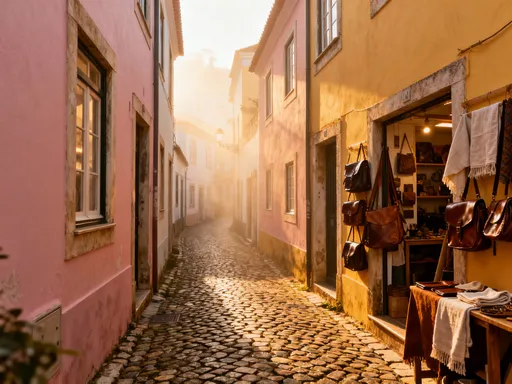
Algiers is more than Algeria’s political and economic center — it is the country’s culinary soul. Perched on the Mediterranean coast, the city has absorbed flavors and techniques from Berber tribes, Ottoman rulers, French colonists, and Arab traders over centuries. This fusion is not a distant historical echo; it is alive in every kitchen, every market, and every family meal. The food of Algiers reflects resilience, adaptation, and pride — a cuisine born from necessity and elevated by generations of care. In the narrow, stone-paved lanes of the Casbah, the air carries the scent of slow-cooked lamb, toasted cumin, and fresh bread pulled from communal ovens. These are not just aromas; they are invitations — subtle, persistent, and deeply personal.
Meals in Algiers are not isolated events; they are the rhythm of life. The day begins early, with breakfast served before sunrise, especially during Ramadan, when families gather to break fast with warmth and generosity. Lunch is the centerpiece — a long, unhurried affair where conversation flows as freely as mint tea. Evenings are quieter, often spent with light dishes under open skies, especially in the warm months. This pattern isn’t just about sustenance; it’s about connection. Food is the thread that ties generations together, a way of honoring elders, welcoming guests, and passing down identity. A grandmother’s tagine recipe, a father’s way of grilling sardines — these are not just techniques, but legacies.
What makes Algerian cuisine so powerful is its authenticity. There are no staged performances for visitors — just real people preparing real food with real ingredients. A vendor might hand you a warm msemen with a nod and a smile, not because you’re a tourist, but because sharing food is second nature. In homes, meals are served on low tables, eaten with hands or simple utensils, and cleared only when everyone is truly full. This is not fine dining; it’s soul dining. The ingredients are humble — lamb, chickpeas, semolina, tomatoes, onions — but the care in preparation transforms them into something extraordinary. To eat in Algiers is to be welcomed into a culture where food is not just fuel, but a language of love, memory, and belonging.
Must-Try Dishes: The Flavors That Define Algiers
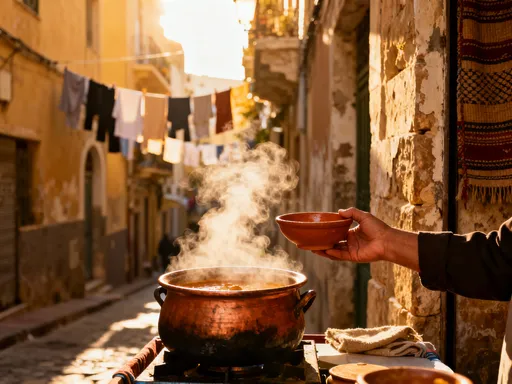
To understand Algiers through its cuisine is to begin with its most beloved dishes — each one a chapter in the city’s story. Start with chorba, a nourishing soup that warms both body and spirit. Made with tomatoes, lentils, vermicelli, fresh herbs, and tender pieces of lamb or chicken, it simmers for hours, absorbing layers of flavor. Often served during Ramadan or cold winter days, chorba is more than a starter — it’s comfort in a bowl, a dish that brings families together at pivotal moments. Its tangy, herbal depth comes from a blend of parsley, cilantro, and mint, while a squeeze of lemon lifts the richness. It’s not uncommon to see people sipping it from clay bowls at roadside stalls, eyes closed in quiet appreciation.
Equally iconic is the brik, a golden, paper-thin pastry deep-fried to crisp perfection. The most traditional version is filled with a whole egg, tuna, parsley, and a hint of lemon, then folded into a triangle and fried until the yolk is just set. The first bite releases a burst of savory, citrusy flavor — delicate yet bold. Brik is often eaten at breakfast or as a midday snack, served with a wedge of lemon and a sprinkle of harissa for heat. It’s street food at its finest — simple, satisfying, and universally loved. Variations include cheese, potato, or even meat, but the tuna version remains the favorite among locals.
No discussion of Algerian food is complete without mentioning couscous, the national dish. In Algiers, it is typically served on Fridays, the most important day of the week for family gatherings. The semolina grains are steamed multiple times to achieve a light, fluffy texture, then served under a rich stew of lamb, carrots, zucchini, and chickpeas. The sauce — deeply spiced with turmeric, ginger, and onions — soaks into the couscous, creating a harmony of flavors and textures. Eating couscous is a communal experience, often shared from a single large dish using the right hand, a practice that fosters closeness and gratitude.
Another must-try is tajine m’dfer, a slow-cooked stew distinct from the North African tagine casserole. This dish features chicken and hard-boiled eggs braised in a sweet and savory sauce made from caramelized onions, raisins, and warm spices. The result is rich, velvety, and deeply comforting — a dish often reserved for special occasions or honored guests. Unlike its Moroccan cousin, Algerian tajine is not cooked in a conical clay pot but in a deep pan, allowing for a denser, more concentrated flavor. The sweetness of the raisins balances the richness of the meat, creating a dish that feels both festive and homey.
For a taste of everyday creativity, try chakhchoukha, a dish that turns leftover bread into a feast. Torn pieces of msemen or other flatbreads are soaked in a spicy tomato and chickpea sauce, then topped with shredded meat. The sauce, flavored with garlic, cumin, and harissa, clings to the soft bread, creating a hearty, satisfying meal. It’s especially popular in winter and during family celebrations. Another staple is rechta, a delicate white noodle served in a light chicken broth with white beans and onions. Eaten during religious holidays or family visits, rechta symbolizes purity and renewal. Each of these dishes tells a story — of resourcefulness, celebration, and the deep connection between food and identity.
Where to Eat: From Hidden Stalls to Local Favorites
Finding great food in Algiers has little to do with polished menus or online reviews. The best meals are often found in unmarked corners, behind bustling markets, or in neighborhoods where tourists rarely wander. The key is to follow the locals — especially at lunchtime, when workers stream into narrow alleys in search of a hot, affordable meal. In the lower city, near Place Audin, small family-run maqallas open before dawn, frying fresh brik and cheese pastries on sizzling griddles. These modest shops have no signage, no websites, and no pretense — just generations of skill and consistency. A single brik, served hot on a paper plate, costs less than a dollar but delivers a flavor that lingers for days.
The Kasbah market is another treasure trove. Here, women in vibrant headscarves serve steaming bowls of chorba from large clay pots, ladling the soup with practiced ease. The broth is rich, aromatic, and deeply satisfying, often accompanied by a side of fresh bread. These vendors have been feeding locals for decades, their stalls passed down from mother to daughter. There’s no menu — just what’s fresh and ready that day. Around Bab El Oued, a working-class neighborhood known for its strong community ties, vendors balance metal trays of dolma — stuffed grape leaves, zucchini, and peppers — on their heads as they weave through the streets. The dolma is tender, tangy, and fragrant with herbs, a perfect example of home cooking made portable.
For a more relaxed dining experience, head to Bologhine, a seaside neighborhood where guinguettes line the coast. These casual, open-air eateries offer grilled sardines, fresh salads, and endless glasses of mint tea, all served with panoramic views of the Mediterranean. Families gather here on weekends, children playing nearby as parents laugh and share stories. The fish is caught daily, grilled over charcoal, and seasoned simply with lemon and olive oil — a testament to the region’s abundance. One popular spot, known only by word of mouth, serves a couscous so tender and flavorful that regulars claim it tastes like their grandmother’s.
The Grand Post Office area hides another gem — a tiny, unmarked restaurant renowned for its Friday couscous. There’s no sign, no online presence, but at noon, the line stretches around the block. Inside, long tables fill with families and friends, passing dishes and refilling glasses. The lamb is fall-off-the-bone tender, the vegetables perfectly cooked, and the couscous so light it seems to float. This is the kind of place that thrives on reputation, not advertising. It’s also a reminder that in Algiers, the best food isn’t found in tourist zones — it’s where locals eat, trust, and return week after week. Avoid the port area, where prices are inflated and authenticity is often compromised. Instead, walk a few blocks inland, where the air smells of spices and the hum of conversation never stops.
Breakfast Like a Local: Mornings Fueled by Flavor
Breakfast in Algiers is not a quiet, solitary affair — it’s a vibrant start to the day, full of color, heat, and connection. By 6 a.m., street vendors are already at work, heating griddles and shaping dough. The most common offerings are msemen and harcha — two types of flatbread that define the morning meal. Msemen is a flaky, layered pancake made from semolina and flour, folded and fried until golden. It’s often served warm, drizzled with honey or smen — a fermented, aged butter with a sharp, tangy flavor that adds depth to every bite. Harcha, on the other hand, is denser, made from semolina and shaped into rounds, then grilled until crisp on the outside and soft within. Both are staples, sold at nearly every corner in working-class neighborhoods.
These breads are rarely eaten plain. They’re paired with olives, soft white cheese, or a fried egg for extra protein. A glass of warm milk or sweet mint tea completes the meal, warming the body against the morning chill. In cafes, men gather in small groups, sipping strong black coffee and sharing kisra, a spongy, slightly sour flatbread made from sorghum or wheat. It’s torn into pieces and dipped into olive oil or a spicy harissa paste, creating a simple but deeply satisfying start to the day. These moments are not rushed — they’re savored. Conversations flow, news is exchanged, and bonds are strengthened over shared plates.
Breakfast is also a time of generosity. A vendor might offer you a sample of fresh msemen, insisting you try it “on the house.” A neighbor might invite you into her kitchen to watch her roll out dough by hand, her fingers moving with decades of practice. These gestures are not performances; they’re part of the culture. Food is meant to be shared, especially in the morning, when the city is waking up and the day’s possibilities feel endless. For visitors, eating breakfast like a local means stepping into this rhythm — slowing down, accepting hospitality, and starting the day with gratitude. It’s not about luxury or novelty; it’s about authenticity, warmth, and the simple joy of a well-fed morning.
Street Food Adventures: Eating Fearlessly in the City’s Pulse
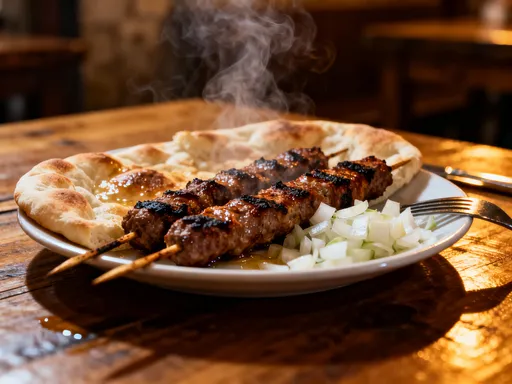
Algiers comes alive in its street food — a dynamic, ever-changing landscape of flavor, speed, and soul. By midday, the scent of grilled meat and spices fills the air, drawing crowds to small stands tucked between shops and bus stops. These are not fancy food trucks; they’re simple setups with metal grills, plastic stools, and long lines of loyal customers. This is where you’ll find the sandwich djezaiyré, a beloved local favorite. A crusty baguette is split open and stuffed with spicy merguez sausage, fried onions, fries, and a generous smear of harissa. It’s messy, fiery, and utterly delicious — the kind of meal you eat with your hands, napkins optional.
The best vendors are easy to spot — they’re the ones with the longest lines and the fastest hands. They grill the merguez to perfection, charred on the outside, juicy within, then assemble the sandwich with precision and pride. Some add a slice of tomato or a dash of lemon juice to cut the richness. It’s street food at its most honest — made fast, eaten fast, remembered forever. For a sweeter treat, look for wooden carts selling makroudh, diamond-shaped pastries filled with date paste and fried until crisp, then soaked in honey. They’re often sold alongside small glasses of tea, a perfect pairing for an afternoon break.
In summer, the sound of a jingling bell signals the arrival of the glace man — a mobile ice cream vendor pushing a cart filled with colorful plastic cups of sorbet. Flavors range from lemon and strawberry to more traditional options like milk and rosewater. Children run after him, eager for a taste of something cool in the Mediterranean heat. The ice cream is simple, not overly sweet, and refreshingly light. It’s a small pleasure, but one that brings joy to entire neighborhoods.
Drinks are just as important. Jus naturel — fresh-squeezed juice — is sold in plastic bags with straws, a common sight at markets and busy intersections. Pomegranate, orange, and mango are popular choices, each served icy cold and bursting with flavor. There’s no waste, no frills — just pure, refreshing juice in a humble package. Eating street food in Algiers means embracing imperfection — no menus, no seating, no cutlery. It’s about trust, instinct, and the thrill of discovery. When you eat like this, you’re not just tasting food — you’re feeling the city’s pulse.
Markets as Kitchens: The Role of Souks in Daily Eating
The souks of Algiers are not just places to shop — they are the living kitchens of the city. Here, food is not packaged, frozen, or imported from distant farms. It is fresh, seasonal, and deeply local. Marché de la Liberté, one of the largest and most vibrant markets, is a sensory explosion. Pyramids of ripe tomatoes, mounds of saffron, baskets of fresh mint, and bundles of cilantro fill wooden stalls. Butchers proudly display whole lamb legs, their cuts precise and clean. Fishmongers lay out glistening sardines, sea bream, and octopus on beds of ice, their catch brought in just hours before. Women move through the aisles with woven baskets, haggling for olives by the kilo, selecting spices by scent, and inspecting vegetables for freshness.
These markets are the backbone of home cooking in Algiers. Most families shop daily, buying only what they need for that day’s meals. This ensures peak freshness and reduces waste — a practice born from tradition and necessity. The rhythm of the market mirrors the rhythm of the kitchen: early mornings for shopping, midday for cooking, evening for eating. Even in modern supermarkets, many people still prefer the souk — it’s cheaper, more personal, and full of life. Vendors remember their regulars, ask after their families, and offer samples with a smile.
Spice stalls are especially important. Clouds of cumin, paprika, and coriander rise into the air as vendors scoop fragrant powders into paper cones. These spices are not afterthoughts — they are the soul of Algerian cuisine. A well-stocked spice rack is a point of pride in every home. Women buy saffron by the gram, knowing its value and potency. They select dried mint for tea, sumac for salads, and ras el hanout — a complex blend — for stews. The market is not just a place to buy ingredients; it’s a place to learn, to connect, and to feel part of a community.
For visitors, walking through a souk is an immersion in daily life. It’s where you see how food travels from sea and soil to table. It’s where you hear the banter between buyers and sellers, the clatter of scales, the rustle of paper wrapping. It’s chaotic, loud, and alive — and it’s one of the most authentic experiences Algiers has to offer. To understand Algerian food, you must first understand its markets — the beating heart of the city’s culinary culture.
Practical Tips: How to Navigate Algiers’ Food Scene Like a Pro
To truly enjoy the food of Algiers, come with an open mind, a curious palate, and a willingness to adapt. First, bring cash — most small vendors, market stalls, and family-run eateries do not accept credit cards. Having small bills makes transactions easier and shows respect for local customs. Dress modestly, especially in older neighborhoods like the Casbah or Bab El Oued. While Algiers is welcoming, dressing conservatively reflects respect for cultural norms and helps you blend in more easily.
Learning a few basic phrases in Arabic or French can go a long way. A simple “Shwya harissa?” (A little harissa?) or “Mazelsh?” (Too spicy?) can open doors and spark friendly conversation. Locals appreciate the effort, even if your pronunciation isn’t perfect. Eat when locals eat — breakfast starts early, lunch is the main meal and typically served between 1 p.m. and 3 p.m., and dinner is light and late. Don’t rush through meals; lingering is part of the experience. Meals are meant to be enjoyed, not hurried.
Stay hydrated, but avoid tap water. Stick to bottled or filtered water, and check the seal before drinking. Fresh juices are safe and delicious, but make sure they’re made in front of you. When eating street food, use your judgment — if a stall looks unclean or has no customers, it’s best to pass. Hygiene standards vary, so follow the crowd: if locals are lining up, it’s likely safe and delicious. Always carry tissues or wipes — napkins are not always provided.
Portions in Algiers are generous, so be mindful when ordering. Saying “bas” (enough) is useful when a vendor offers more bread, tea, or food than you can handle. Sharing dishes is common, so don’t hesitate to ask for extra plates. And finally, embrace the unexpected. A meal might be served late, a dish might be spicier than expected, or a vendor might insist on feeding you “just one more bite.” These moments are not inconveniences — they are part of the warmth, generosity, and soul of Algerian hospitality. With openness, respect, and curiosity, Algiers will not just feed your stomach — it will nourish your spirit.