You Won't Believe What I Found Hiking in Halong Bay's Hidden Wilds
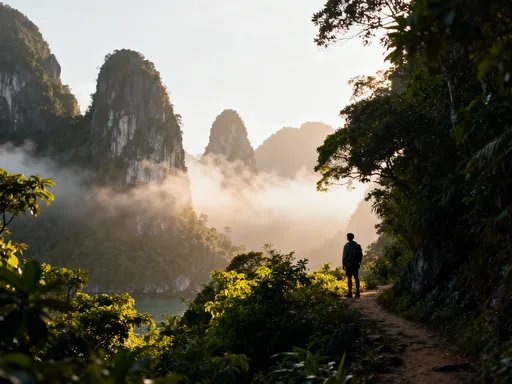
Hiking through Halong Bay’s protected zones is nothing short of magical. Towering limestone karsts, emerald waters, and untouched forests create a world few ever see on foot. Most visitors stick to boats, but the real magic? It’s inland. I trekked deep into the reserve, where silence reigns and nature rules. This isn’t just a scenic detour—it’s a full immersion. If you’ve ever wanted to escape the crowds and feel the wild pulse of Vietnam, this is your sign. Let’s step off the beaten path together.
Why Hiking Halong Bay’s Protected Zones Stands Out
Halong Bay is renowned as a UNESCO World Heritage Site, celebrated for its otherworldly seascape of over 1,600 limestone islets rising dramatically from jade-green waters. While most travelers experience the bay from cruise decks, kayaks, or floating villages, a quieter, more profound dimension exists beyond the shoreline. The protected inland zones of Halong Bay—often overlooked—offer rare opportunities for immersive hiking through ancient forests and along secluded ridgelines. These areas are not only ecologically rich but also culturally and geologically significant, preserving a delicate balance between human activity and natural preservation.
What sets hiking in these zones apart is the depth of connection it fosters. Unlike the transient experience of gliding past karsts on a boat, trekking allows you to slow down, breathe deeply, and engage directly with the landscape. You feel the texture of moss-covered rocks, hear the rustle of unseen animals in the underbrush, and witness how sunlight filters through dense canopies. This intimate interaction transforms sightseeing into a sensory journey, grounding you in the rhythm of the wild. For those seeking more than postcard views, this is where the true soul of Halong Bay reveals itself.
The biodiversity within these protected zones is extraordinary. From rare orchids clinging to limestone cliffs to endemic bird species echoing through the treetops, every step uncovers new layers of life. The terrain itself tells a story millions of years in the making—karst formations shaped by wind, water, and time. These landscapes are not static backdrops; they are dynamic ecosystems that continue to evolve. Hiking here means becoming a temporary witness to that ongoing process, an observer in a world that operates on nature’s terms, not human convenience.
Compared to the bustling marinas and popular island stops like Titop or Sung Sot Cave, the hiking trails offer solitude and serenity. There are no souvenir stalls, no crowds jostling for photos, no amplified tour guides. Instead, there is space—space to think, to wander, to be present. This contrast is precisely what makes the experience so valuable. It reminds us that beauty does not always need to be curated or commodified. Sometimes, the most meaningful travel moments happen when we step away from the expected and allow ourselves to be guided by curiosity and quiet wonder.
Choosing the Right Trail: Matching Your Level and Interests
One of the strengths of Halong Bay’s protected hiking network is its variety. Whether you're an experienced trekker or someone who enjoys gentle nature walks, there is a trail suited to your fitness level and interests. The region offers three primary types of routes: forest paths that wind through dense jungle, coastal ridges that provide panoramic sea views, and steep limestone escarpments that challenge even seasoned hikers. Understanding these options helps ensure a safe, enjoyable, and rewarding adventure.
For beginners or those traveling with family, coastal forest trails near Ba Ham Lake are ideal. These routes feature well-maintained dirt paths, moderate inclines, and frequent resting points shaded by broad-leafed trees. The lake itself, nestled between towering karsts, offers a peaceful backdrop and opportunities to spot waterfowl or dragonflies skimming the surface. These walks typically last between one and two hours and require minimal technical skill, making them accessible to most adults and older children. They serve as excellent introductions to the region’s natural beauty without demanding excessive physical exertion.
Intermediate hikers may prefer ridge trails on Dau Be Island or along the southern edges of the reserve. These routes often combine forested sections with exposed limestone paths, requiring careful footing and a moderate level of stamina. The reward is unmatched: sweeping vistas of the bay, with clusters of islands scattered like emeralds across a silver sea. Some trails lead to small clearings where you can pause, take in the view, and listen to the distant call of kingfishers or the whisper of wind through bamboo. These hikes usually last three to four hours and are best done with a guide familiar with local conditions.
For the more adventurous, summit climbs on larger islands such as Soi Sim or May Tao present a true physical challenge. These ascents involve steep, rocky staircases carved into the karst, narrow ledges, and occasional hand-over-hand scrambling. The effort is considerable, but so is the payoff—360-degree views that stretch for miles, especially breathtaking at sunrise or late afternoon when the light bathes the bay in gold and rose. These trails are recommended only for those in good physical condition and should always be undertaken with proper preparation and guidance.
Regardless of your chosen route, access points vary, and some require boat transfers arranged in advance. The northern and central zones tend to be more visited, while the southern islands remain less crowded and more pristine. Opting for lesser-known entry points increases your chances of solitude and deeper immersion. Given the complexity of navigation and the importance of ecological protection, guided hikes are strongly recommended. Local eco-guides not only ensure safety but also enrich the experience with knowledge about flora, fauna, and conservation efforts.
What to Expect: Terrain, Climate, and Wildlife Encounters
Trekking in Halong Bay’s protected zones means embracing the unpredictability of a tropical forest environment. The terrain is diverse and often demanding. Trails are typically unpaved, with surfaces ranging from compacted earth to exposed tree roots, loose gravel, and slippery limestone steps. In the rainy season, sections can become muddy and slick, requiring steady balance and appropriate footwear. Even on dry days, humidity can make exertion feel more intense, so pacing is essential.
The climate plays a significant role in shaping the hiking experience. The best time to visit is from October to April, when temperatures are milder, rainfall is minimal, and skies are clearer. During these months, daytime highs range from 20°C to 28°C (68°F to 82°F), making for comfortable trekking conditions. Humidity remains high year-round, but the cooler season offers relief from the oppressive heat and frequent afternoon thunderstorms of summer. Travelers should monitor weather forecasts and avoid hiking during or immediately after heavy rains, as trails can flood and become hazardous.
Wildlife encounters are a highlight of any trek. While large mammals are rare due to the island geography, the forests teem with life. It’s common to spot monitor lizards basking on sunlit rocks or slipping into crevices at the sound of approaching footsteps. Birdwatchers will appreciate the variety of species, including the black-naped oriole, blue rock thrush, and white-bellied sea eagle soaring above the treetops. The dawn and dusk hours are particularly active, with calls echoing through the valleys and wings fluttering in the canopy.
Plant life is equally captivating. The karst forests support unique adaptations, such as epiphytic ferns growing on limestone, pitcher plants thriving in nutrient-poor soil, and ancient banyan trees whose roots wrap around rock faces like natural sculptures. Some areas host rare medicinal herbs and wild orchids, though these should never be disturbed. The ecosystem is fragile, and even minor disruptions can have lasting impacts. For this reason, staying on marked trails is not just a recommendation—it’s a responsibility.
Visitors should also be prepared for small but persistent elements of the jungle, such as mosquitoes and leeches, particularly in shaded, damp areas. While not dangerous, they can be uncomfortable. Wearing long sleeves, using insect repellent, and checking clothing regularly can minimize contact. These minor challenges are part of the authentic experience, reminding us that we are guests in a wild space that operates by its own rules.
Gear and Preparation: Hiking Smart in a Tropical Reserve
Success and safety on Halong Bay’s trails begin with thoughtful preparation. The tropical environment demands gear that balances comfort, protection, and practicality. Breathable, moisture-wicking clothing is essential to manage humidity and prevent overheating. Lightweight long-sleeved shirts and pants offer protection from both sun and insects while allowing ventilation. A wide-brimmed hat and polarized sunglasses help reduce glare from reflective rock surfaces and enhance visibility on uneven terrain.
Footwear is perhaps the most critical choice. Trail shoes or hiking boots with strong grip and ankle support are highly recommended. The combination of wet rocks, loose gravel, and steep inclines makes stability a priority. Avoid smooth-soled shoes or sandals, which increase the risk of slips and injuries. Waterproof or water-resistant materials are beneficial, especially during the wet season or when crossing damp sections of trail. Breaking in your footwear before the trip prevents blisters and ensures comfort over extended periods.
Weather in the region can shift quickly, so carrying a compact rain cover or lightweight waterproof jacket is wise. Sudden showers are common, and being caught unprepared can lead to discomfort or even hypothermia in cooler months. A small, packable backpack with a waist strap helps distribute weight evenly and keeps essentials accessible. Important items to include are at least two liters of water per person, high-energy snacks like nuts or dried fruit, a basic first-aid kit, sunscreen, and insect repellent.
Hydration is a top concern. The combination of physical exertion and high humidity accelerates fluid loss, so drinking water regularly—even when not thirsty—is crucial. Carrying a water purification system, such as a filter or tablets, allows you to refill from natural sources if necessary, though this should only be done in designated safe zones. Dehydration can impair judgment and physical performance, increasing the risk of accidents.
Health precautions extend beyond hydration. Applying insect repellent with DEET or picaridin helps prevent mosquito bites, which can carry diseases such as dengue fever. Leech-prone areas call for tucking pants into socks and checking legs periodically. Sun exposure is another risk; reapplying sunscreen every few hours and seeking shade during peak sunlight hours (10 a.m. to 2 p.m.) helps prevent sunburn and heat exhaustion. With the right preparation, hikers can enjoy the beauty of the reserve without compromising their well-being.
Local Guardians: How Communities Protect the Reserve
The preservation of Halong Bay’s inland ecosystems is not solely the work of government agencies—it is deeply rooted in the efforts of local communities. For generations, families living near the bay have relied on its resources for fishing, farming, and small-scale tourism. Today, many have transitioned into roles as eco-guides, conservation stewards, and sustainability advocates. Their intimate knowledge of the land, passed down through oral tradition and daily experience, makes them invaluable partners in protecting this fragile environment.
Eco-guides are more than trail leaders; they are educators and guardians. They teach visitors about native species, point out signs of animal activity, and explain traditional uses of plants without encouraging harvesting. Their presence ensures that tourism remains low-impact and respectful. By hiring local guides, travelers directly support community livelihoods and incentivize continued conservation. This model of community-based tourism fosters mutual respect and shared responsibility, creating a sustainable cycle that benefits both people and nature.
Several reforestation initiatives have taken root in recent years, led by local cooperatives and supported by environmental NGOs. These projects focus on restoring degraded areas with native tree species, stabilizing soil on eroded slopes, and improving habitat connectivity. Volunteers and tourists are sometimes invited to participate in planting days, offering hands-on engagement with conservation work. These efforts not only heal the land but also strengthen community pride and environmental awareness.
Waste reduction is another key focus. In the past, litter from unregulated tourism posed a threat to wildlife and water quality. Today, many local operators enforce strict no-trash policies, provide reusable containers, and organize regular clean-up campaigns. Some homestays and tour companies have adopted zero-waste practices, minimizing plastic use and composting organic waste. These small but consistent actions contribute to a cleaner, healthier ecosystem.
Visitors play a role in this stewardship. Simple actions—such as carrying out all trash, avoiding single-use plastics, and refraining from feeding or touching wildlife—help maintain the integrity of the reserve. Equally important is respecting cultural norms and private areas. Many trails pass near village lands or sacred sites, and staying on designated paths shows consideration for local residents. When tourism is conducted with mindfulness, it becomes a force for good, supporting both conservation and community resilience.
Beyond the Trail: Connecting with Nature’s Rhythm
Hiking in Halong Bay’s hidden wilds is as much an internal journey as it is a physical one. There is a profound stillness that settles over you when you step deep into the forest, away from engines, voices, and digital noise. Time seems to slow. Your senses sharpen. You begin to notice things you might otherwise overlook—the delicate trill of a warbler, the way mist curls around a karst peak at dawn, the coolness of moss beneath your fingertips. These moments of presence are rare in modern life, yet they are essential for mental clarity and emotional balance.
For many women in the 30–55 age range, often balancing careers, family, and personal well-being, this kind of immersion offers a powerful reset. The physical act of walking—rhythmic, steady, purposeful—mirrors the process of shedding daily stress. Each step becomes a form of moving meditation, helping to quiet the mind and reconnect with the body. The absence of screens and notifications creates space for reflection, creativity, and renewed perspective. It’s not uncommon for hikers to return from the trail with a clearer sense of priorities or a solution to a long-standing challenge.
There is also a deep sense of belonging that emerges in nature. Surrounded by ancient rock and thriving forest, you feel part of something larger than yourself. This connection is not mystical—it is biological, emotional, and grounding. Science supports what many intuitively know: time in nature reduces cortisol levels, improves mood, and enhances cognitive function. In Halong Bay’s reserve, these benefits are amplified by the sheer beauty and tranquility of the setting.
These quiet moments—sitting on a rock overlooking the bay, sipping tea from a thermos as the sun rises, listening to rain patter on broad leaves—are the soul of the experience. They remind us that travel is not just about seeing new places, but about feeling them. It’s about allowing the world to touch you, to change you, even in small ways. And in a world that often feels fast and fragmented, such moments are not just refreshing—they are necessary.
How to Plan Your Own Hiking Adventure Responsibly
Planning a hiking trip to Halong Bay’s protected zones requires care and intention. The first step is choosing an eco-certified tour operator with a proven commitment to sustainability. Look for companies that employ local guides, limit group sizes, and follow Leave No Trace principles. Reputable operators will provide clear information about trail difficulty, safety protocols, and environmental guidelines. Avoid unlicensed or budget-focused tours that cut corners on safety or conservation.
Permits are required for access to certain protected areas, and responsible operators handle these arrangements in advance. Do not attempt to enter restricted zones without authorization, as this undermines conservation efforts and can result in fines. Timing your visit between October and April increases your chances of favorable weather and clearer views. Booking early is advisable, especially during peak months, as eco-tours often operate with small groups to minimize impact.
Consider combining your hike with other low-impact activities to enrich your experience. Kayaking through quiet coves, visiting a local homestay, or learning traditional fishing techniques from villagers adds cultural depth and variety. These complementary experiences create a more holistic understanding of the region and support diverse aspects of the local economy.
Most importantly, commit to responsible behavior throughout your journey. Stay on marked trails to prevent soil erosion and habitat damage. Carry all waste with you, including biodegradable items like fruit peels, which can disrupt local ecosystems. Avoid using soap or shampoo in natural water sources. Refrain from picking plants, disturbing rocks, or leaving carvings. These practices may seem small, but collectively, they protect the very qualities that make the area special.
Finally, approach your adventure with humility and gratitude. You are entering a space that has existed long before you and will hopefully endure long after. By traveling mindfully, you become part of a larger movement toward respectful, regenerative tourism. Every conscious choice you make—what you bring, how you walk, what you leave behind—contributes to the preservation of this extraordinary place.
Hiking Halong Bay’s protected trails isn’t just a way to see a famous landscape—it’s a chance to feel it. From the crunch of forest soil underfoot to the hush of hidden valleys, every step connects you to something ancient and alive. As tourism grows, responsible trekking becomes more vital. This is travel with purpose: quiet, deep, and respectful. The real beauty of Halong Bay isn’t just in its views—it’s in the way it makes you move, breathe, and belong. Take the path less traveled. The wild is waiting.