What I Learned Avoiding the Hype at Panama’s Craziest Festival
You know that feeling when you show up to a festival expecting magic, only to get stuck in chaos with no shade, water, or clue? Yeah, that was me in Colón, Panama. I went chasing the energy of a local celebration, but what I found was equal parts breathtaking and brutal. Turns out, the real adventure wasn’t just attending—it was surviving it smartly. The music pulsed like a heartbeat through the streets, children danced barefoot in the dust, and colors exploded in every direction. But beneath the spectacle were challenges no brochure warned me about: sweltering heat, confusing layouts, and crowds so thick I couldn’t move my arms. This experience taught me that the key to enjoying such vibrant festivals isn’t just enthusiasm—it’s preparation, respect, and a willingness to step off the beaten path to truly connect.
First Impressions: Stepping Into the Heart of Colón’s Festival Scene
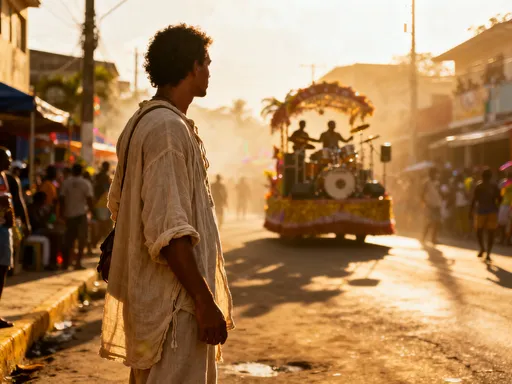
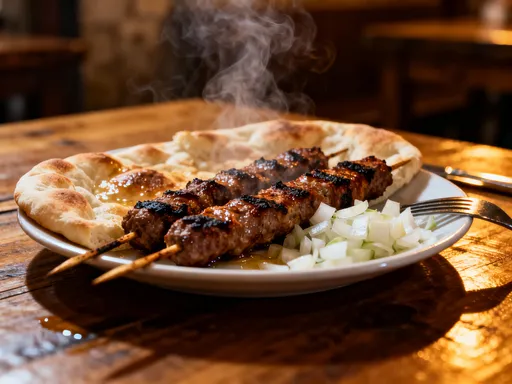
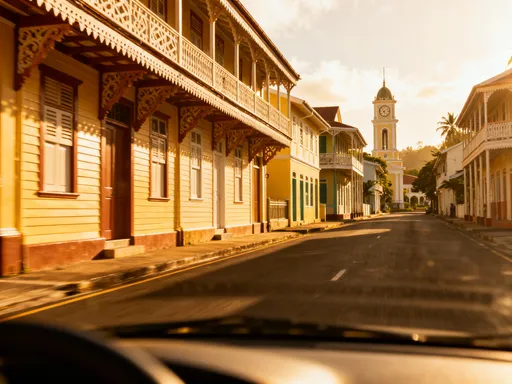
Arriving in Colón during peak festival season feels like stepping into a living mosaic of sound, movement, and color. The air hums with anticipation as drumbeats echo off colonial-era buildings, their paint peeling under tropical sun. Vendors line the sidewalks, grilling empanadas and skewers of chicken while the scent of cumin and citrus drifts through the breeze. Banners flutter above the streets, some hand-painted with slogans celebrating Afro-Caribbean heritage and national pride. From the moment I stepped off the bus, I was swept into a current of people moving with purpose—some in elaborate costumes, others carrying flags or painted signs marking their neighborhood affiliations.
My initial excitement, however, began to waver as I navigated the dense foot traffic. The streets, already narrow, were nearly impassable in places. Police and volunteers tried to manage the flow, but clear pathways were rare. I noticed a lack of medical stations or hydration points, and few shaded areas offered relief from the unrelenting sun. While the energy was infectious, I couldn’t ignore the growing discomfort among fellow attendees—parents shielding children from the heat, elderly locals fanning themselves on stoops, tourists looking dazed and disoriented.
Still, it was impossible not to feel the cultural weight of the moment. Colón’s festivals are deeply rooted in its identity as a Caribbean port city with strong Afro-Panamanian influences. These celebrations honor generations of resilience, blending African drumming traditions with Panamanian folklore and Spanish language. Unlike polished tourist events, this festival felt raw and real—a communal expression of joy, memory, and continuity. The music wasn’t just background noise; it was a language of its own, speaking of history, resistance, and unity. Recognizing this depth helped me reframe my frustration into appreciation, even amid the logistical chaos.
The Allure of Celebration: Why Everyone Talks About Colón’s Festivals
So why does this festival draw people from across Panama and beyond? The answer lies in its authenticity. While many national celebrations are sanitized for broad appeal, Colón’s event remains fiercely local. It’s not designed for Instagram—it’s designed for participation. Parades wind through residential blocks and market districts, led by community groups in handmade costumes adorned with sequins, feathers, and symbolic motifs. Each float tells a story—of ancestral lineage, social justice, or neighborhood pride. There are no corporate sponsors dominating the visuals; instead, banners celebrate family names, local schools, and cultural associations.
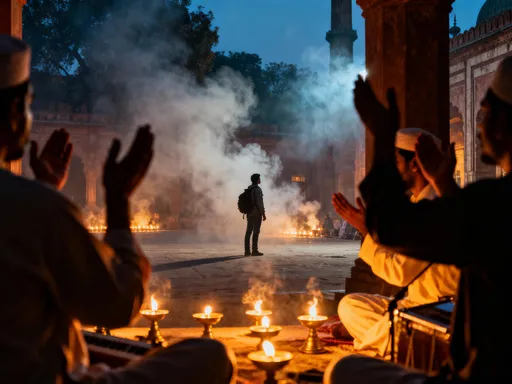
Music is the soul of the celebration. Salsa rhythms pour from mobile sound systems mounted on trucks, while younger crowds gather around stages blasting reggae en español and dancehall. But it’s the traditional tamborito that gives the festival its heartbeat. Performed in circles with call-and-response singing and intricate drum patterns, this Afro-Caribbean style is more than entertainment—it’s a ritual. Elders teach the steps to children in real time, ensuring the tradition lives on. I watched a group of teenage girls learn the footwork from a woman in her seventies, her hands guiding theirs with patient precision. Moments like these aren’t staged for visitors—they unfold naturally, part of the festival’s living fabric.
For travelers seeking genuine cultural immersion, this authenticity is priceless. There are no scripted performances or timed shows. Instead, celebration erupts spontaneously—on street corners, in courtyards, inside small churches hosting gospel choirs. You don’t just watch the culture; you’re invited to move within it. That sense of inclusion, of being welcomed—even as an outsider—makes Colón’s festival unforgettable. But access to that experience requires more than curiosity. It demands awareness, adaptability, and respect for the community hosting you.
Hidden Challenges: What No One Warns You About
Beneath the vibrant surface, Colón’s festival presents real logistical and safety challenges—ones rarely mentioned in travel blogs or official guides. One of the most immediate concerns is overcrowding. The city’s infrastructure wasn’t built for tens of thousands of visitors descending at once. Narrow streets become bottlenecks, and emergency vehicles struggle to pass. I witnessed a minor medical incident where an ambulance couldn’t reach the scene for over twenty minutes due to blocked roads. While volunteers responded quickly, the delay was alarming. There are no formal crowd control barriers, and security personnel are often outnumbered.
Another issue is the lack of accessible information. Official schedules exist, but changes happen daily—and sometimes hourly—without clear communication. Announcements are made over loudspeakers in rapid Spanish, leaving non-native speakers guessing. I missed a featured drumming performance because the time had shifted with no notice. Printed maps are scarce, and digital navigation fails in areas with poor signal. Even basic amenities are stretched thin: portable toilets are often overflowing by midday, and clean drinking water is hard to find unless you bring your own supply.
The climate adds another layer of difficulty. Panama’s Caribbean coast is hot and humid year-round, but during festival week, temperatures soar with little shade available. Sun exposure is a serious risk, especially for children and older adults. I saw several people treated for heat exhaustion near the main square. Yet, few vendors sell sunscreen or hats, and shaded seating is virtually nonexistent. These conditions aren’t insurmountable, but they require preparation. Travelers who assume this is like any other city festival may find themselves unprepared for the physical demands of the environment.
Timing Missteps: When Enthusiasm Meets Poor Planning
One of the most common mistakes visitors make is misjudging the timing of events. The festival calendar lists start times, but in practice, things begin late—or not at all. I arrived two hours early for a headline parade, only to find the route empty. Locals told me it had been rescheduled to the next day due to a performer’s illness, a change not posted online. By the time I confirmed this, I’d already used up precious energy waiting under the sun.
On another day, I stayed too long for a nighttime concert and got caught in post-event gridlock. Public buses were overloaded, taxis doubled their rates, and ride-sharing apps failed due to network congestion. I ended up walking over three miles back to my guesthouse, exhausted and dehydrated. The lack of reliable transportation options during peak hours is a major oversight. While some locals use motorcycles or informal shared vans, these aren’t always safe or accessible for visitors unfamiliar with the area.
The lesson here is that flexibility is essential. Instead of rigidly following a schedule, it’s better to treat the festival as a series of fluid opportunities. Talk to vendors, ask residents, and stay open to last-minute changes. Many of my best experiences happened when I abandoned my original plan—joining a spontaneous block party, attending a family barbecue invitation, or watching a youth dance group rehearse in a schoolyard. The festival isn’t just about the official program; it’s about the moments that emerge when people come together in shared joy.
Staying Safe Without Missing Out: Smart Moves That Saved My Trip
Despite the challenges, I left Colón with unforgettable memories—thanks to a few key decisions that prioritized safety without sacrificing experience. First, I traveled with a small group of fellow visitors we met through a local hostel. We established a check-in system using a messaging app, sharing our locations every few hours. If someone wandered off to explore, they texted their destination and estimated return time. This simple habit prevented panic when one of us got separated in a dense crowd near the main stage.
Hydration and sun protection were non-negotiable. I carried a refillable water bottle with a built-in filter, allowing me to top up at safe sources. Alongside that, I wore a wide-brimmed hat, UV-protective clothing, and reapplied sunscreen every two hours. A small portable fan, battery-powered and clip-on, made a surprising difference during long stretches without shade. I also packed energy bars and electrolyte tablets—small items that prevented fatigue and kept my focus sharp.
Perhaps the most effective strategy was choosing where to observe events. Instead of fighting for space at the crowded main parade route, I explored side streets and elevated viewpoints. One afternoon, I found a rooftop café run by a local family that offered a panoramic view of the procession. For the price of a fruit smoothie, I enjoyed comfort, shade, and an unobstructed view. Other times, I joined residents watching from their doorsteps or front yards, where the atmosphere was calmer but no less joyful. These peripheral spots allowed me to absorb the festival’s spirit without the physical strain of the central zones.
Supporting the Community the Right Way
One of the most rewarding aspects of the trip was finding ways to contribute positively to the community hosting the festival. I made a conscious effort to buy food and crafts directly from local vendors rather than from temporary stalls selling imported goods. A woman named Marta sold hand-beaded necklaces near the dance plaza, each design reflecting traditional Afro-Caribbean symbols. I purchased one and asked about its meaning. She lit up, explaining how the colors represented unity, strength, and spiritual protection. That conversation turned a simple transaction into a meaningful exchange.
I also paid attention to cultural norms. While photography was generally welcomed, I always asked permission before taking pictures of performers or families. Some dancers were happy to pose; others preferred to focus on the moment. Respecting those boundaries built trust. Dressing modestly—covering shoulders and knees—helped me blend in and show respect, especially in more conservative neighborhoods. I noticed that locals appreciated these small gestures, often greeting me with warmer smiles or offering tips about upcoming events.
Tipping was another way to give back. Musicians playing on street corners or in small plazas often passed around hats, but many tourists ignored them. I made it a habit to leave small bills—enough to buy a meal or a drink—as a sign of appreciation. One drummer told me, in broken English, that such gestures kept their art alive. That moment reminded me that festivals aren’t just for visitors to consume; they’re sustained by the people who live them every day. Supporting them fairly ensures these traditions continue for future generations.
Reimagining the Experience: A Better Way to Enjoy Colón’s Festive Spirit
By the final day, my perspective had shifted. I no longer felt the pressure to “see everything” or capture every moment on camera. Instead, I focused on being present—on feeling the rhythm in my chest, tasting the smoky sweetness of grilled corn, laughing with a group of children who taught me a dance step. I realized that the most powerful experiences weren’t the headline acts but the quiet, unplanned connections: sharing a meal with a vendor, listening to elders share stories on a porch, watching a grandmother teach her granddaughter to weave palm fronds into crowns.
I also discovered smaller neighborhood celebrations that offered deeper cultural immersion. One evening, I followed the sound of drums to a residential block where families had set up a makeshift stage. Children performed traditional dances, elders sang hymns, and neighbors shared food from their homes. There were no tourists, no media, just community. Attending this unofficial event felt like being let in on a secret—a reminder that the festival’s heart beats strongest in these intimate spaces.
This shift—from checklist tourism to mindful participation—transformed my experience. I stopped viewing the festival as a spectacle to conquer and started seeing it as a living culture to honor. It required humility, patience, and a willingness to listen more than speak. But the rewards were immeasurable: genuine connection, lasting memories, and a deeper understanding of what it means to celebrate with purpose.
Festivals in Colón aren’t just events—they’re pulses of identity, rhythm, and resilience. But loving them means showing up prepared, not just excited. With smarter choices, travelers can honor the culture, protect their well-being, and still catch that electric joy. It’s not about avoiding the festival—it’s about doing it right.