This Is How Art Comes Alive on Jeju Island
Jeju Island isn’t just volcanic landscapes and ocean views—its soul pulses through art. I didn’t expect to be so moved by galleries tucked in stone villages or murals dancing across seaside alleys. From traditional *onggi* pottery to modern sculpture parks, creativity here feels organic, rooted in nature and culture. If you're looking for more than postcard sights, Jeju’s art scene offers a deeper connection. Let me show you how to experience it like a true explorer.
Why Jeju’s Art Scene Stands Out
Jeju Island’s artistic identity is unlike any other in Korea. It emerges not from urban studios or academic institutions, but from the very ground beneath your feet—volcanic basalt, black stone walls, and the ever-present rhythm of the sea. The island’s rugged terrain and isolation have nurtured a culture that values self-reliance, resilience, and harmony with nature—all of which are reflected in its art. Unlike mainland cities where modernity often overshadows tradition, Jeju blends the ancient and the contemporary with quiet confidence. This balance is what gives the island’s creative expression its authenticity and emotional depth.
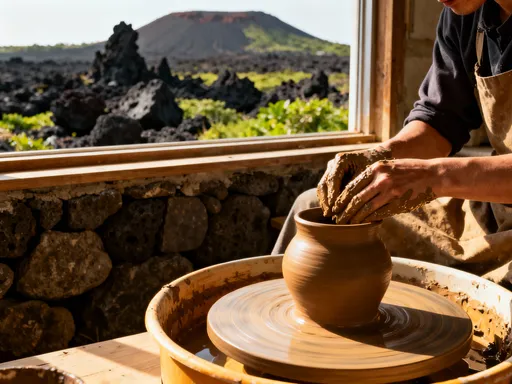
One of the most defining influences on Jeju’s art is its natural environment. The porous texture of lava rock inspires ceramic artists to mimic its roughness in their glazes. The movement of waves shapes the curves of wooden sculptures. Even the wind—constant and unrelenting—plays a role, dictating the low, wind-resistant architecture that now serves as both home and gallery space. Artists don’t merely depict nature; they collaborate with it. This deep-rooted connection is evident in everything from textile patterns dyed with local plants to installations made from driftwood and volcanic stone.
Equally important is Jeju’s unique cultural heritage, particularly the legacy of the haenyeo, the island’s famed female divers. These women, who have harvested from the sea for generations without oxygen tanks, represent strength, independence, and a matriarchal tradition rare in Korean society. Their stories are woven into performance art, visual installations, and community workshops. Murals honoring them appear in coastal villages, and some galleries feature soundscapes of their breathing and chants beneath the waves. Their presence reminds visitors that Jeju’s art is not only seen—it is lived.
It’s no surprise that Jeju has become a sanctuary for artists seeking space, silence, and inspiration. Government-supported artist residencies and studio villages have flourished over the past two decades, drawing creators from Seoul, Busan, and beyond. Yet, despite this influx, the island has resisted commercialization. Galleries remain intimate, often family-run or operated by the artists themselves. There is no pressure to produce for the market. Instead, the emphasis is on process, reflection, and connection—to the land, to history, and to each other. For the thoughtful traveler, this creates an opportunity to witness art not as a product, but as a practice.
Seogwipo’s Hidden Galleries and Studio Trails
While Jeju’s capital, Jeju City, draws crowds with its museums and shopping districts, the quieter southern town of Seogwipo holds a different kind of treasure—its network of independent art studios and micro-galleries. Nestled in narrow lanes lined with citrus trees and stone walls, these spaces are easy to miss but unforgettable once discovered. They are not designed for mass tourism; instead, they thrive on serendipity and word-of-mouth. Many operate on a part-time basis, opening only during exhibitions or when the artist is present, which makes timing your visit all the more important.
Walking through Seogwipo’s art district feels like stepping into a creative sanctuary. One moment you’re passing a traditional thatched-roof house, the next you’re peering into a converted atelier where a sculptor shapes basalt into abstract forms. In a small courtyard, a potter throws clay on a wheel, her hands moving with practiced ease. These are not performances for tourists—they are real moments of creation, and many artists welcome quiet observation. Some even invite questions, offering insights into their techniques and inspirations. This accessibility is rare in larger art centers, where barriers between artist and audience are often firmly in place.
To make the most of your visit, plan to arrive in the morning on a weekday, when artists are most likely to be working. Weekends may bring pop-up exhibitions or open studio events, but they also attract larger crowds, which can disrupt the peaceful atmosphere. A useful tip is to check the Jeju Cultural Foundation’s website or local tourism boards for monthly art trail schedules. These often list participating studios, special demonstrations, and bilingual guides. Even without a formal map, wandering with curiosity can lead to unexpected discoveries—a hidden mural behind a café, a handmade sign pointing to a private gallery above a bookstore.
When visiting these intimate spaces, respect is essential. Many studios are also homes or personal workspaces. Avoid loud conversations, refrain from touching artworks unless invited, and always ask before taking photographs. A small purchase—a postcard, a hand-thrown cup—goes a long way in supporting these independent creators. More than that, it creates a meaningful link between you and the artist, turning a fleeting moment into a lasting memory. In Seogwipo, art is not displayed behind glass; it is shared, like a conversation between kindred spirits.
Jeju O’Sulloc Tea Museum & the Aesthetics of Ritual
Just off the slopes of Hallasan, surrounded by rolling green tea fields that stretch toward the horizon, the Jeju O’Sulloc Tea Museum offers more than a tasting experience—it presents tea as an art form in motion. From the moment you enter, the design of the space guides you into a state of calm. Clean lines, natural wood, and soft lighting create an atmosphere of mindful simplicity. The architecture itself is a statement: low-rise buildings follow the curve of the land, their roofs echoing the shape of tea leaves. Every detail, from the stone pathways to the ceramic tableware, has been chosen to reflect the Korean aesthetic of *yugen*—subtle grace and quiet depth.
The museum’s core experience is the tea ceremony, presented not as a historical reenactment but as a living tradition. Attendants move with deliberate slowness, their gestures precise and meditative. As hot water steams over loose green tea leaves, the aroma fills the room. You are invited to observe, then participate—holding the warm cup, inhaling the fragrance, sipping slowly. This ritual is not rushed. It is an invitation to pause, to reconnect with the present moment. For many visitors, especially those accustomed to fast-paced urban life, this experience is transformative. It is not about caffeine or flavor alone, but about presence, respect, and sensory awareness.
Beyond the ceremony, the museum offers a curated journey through the history and craft of Korean tea. Exhibits explain how Jeju’s volcanic soil and maritime climate create ideal conditions for tea cultivation. You’ll learn about the seasonal harvest cycles, the hand-rolling techniques passed down through generations, and the symbolic meanings behind different tea varieties. Interactive displays allow you to smell dried leaves, touch processing tools, and even try your hand at blending your own tea. Children and adults alike find this hands-on approach engaging and educational.
Practical logistics make the visit accessible and enjoyable. The museum is about a 45-minute drive from Seogwipo and easily reachable by public bus from major towns. Entry includes a guided tour, tea tasting, and access to the gift shop and outdoor garden. Most visitors spend two to three hours, though some linger longer in the café, which serves tea-based desserts and light meals. The surrounding plantation is walkable, with paved paths offering panoramic views of the fields against the mountain backdrop. Whether you come for the artistry of the ceremony or the beauty of the landscape, O’Sulloc offers a serene counterpoint to more active parts of your itinerary.
The Magic of Jeju Folk Village & Performative Heritage
The Jeju Folk Village in Jocheon is more than a tourist attraction—it is a living archive of island traditions. Spread across a gently sloping hillside, the village recreates a 19th-century farming and fishing community with remarkable attention to detail. Thatched-roof houses, stone walls, and wooden barns stand as they once did, but this is not a static museum. Every day, artisans demonstrate crafts that have been preserved through generations. The sound of a loom, the smell of natural dyes, the sight of hands shaping wood—these sensory experiences bring history to life in a way no textbook can.
One of the most compelling aspects of the village is its focus on continuity rather than performance. The people you see weaving, carving, or dyeing are not actors in costume; they are skilled practitioners who have trained for years. Some are elders passing their knowledge to younger relatives; others are cultural ambassadors funded by preservation programs. Their work is not staged for show—it is real labor, rooted in necessity and refined into art. Watching a woman spin cotton into thread using a traditional spindle, or a craftsman carve a doorframe with hand tools, is to witness a lineage in motion.
Among the most symbolic traditions on display is the building of *bangsatap*—spirit towers made from stacked stones. These small, cairn-like structures were historically placed at village entrances to ward off evil spirits and bring good fortune. Today, visitors are invited to build their own, choosing stones and balancing them with care. This act, simple yet profound, connects you to centuries of belief and ritual. It is not a gimmick, but a gesture of respect and participation. Guides explain the cultural meaning without over-explaining, allowing space for personal reflection.
The village also offers insight into Jeju’s unique domestic architecture. Homes are built low to the ground, with curved roofs designed to withstand typhoon winds. Interior layouts reflect the island’s matriarchal values—women’s spaces are central, and cooking areas are positioned for warmth and safety. Displays of traditional clothing, tools, and household items further illustrate daily life. Children can try on *hanbok*, grind grain with a mortar, or help feed the resident goats and chickens. For families, this immersive experience fosters intergenerational learning and appreciation.
Outdoor Art: From Yongmeori Sculpture Park to Wall Murals
Jeju’s coastline is a canvas. Along rocky shores and seaside paths, art emerges from the landscape in surprising and poetic ways. Yongmeori Sculpture Park, located on the western tip of the island, is one of the most striking examples. Here, more than thirty large-scale sculptures by Korean and international artists are arranged along a coastal trail, each piece responding to the sea, wind, and light. The effect is not of intrusion, but of harmony. A steel figure reaching toward the horizon seems to greet the sunrise. A spiral of stone echoes the movement of waves. These works are not merely placed in nature—they are in dialogue with it.
What makes Yongmeori special is its accessibility and openness. Unlike enclosed galleries, it operates without gates or entry fees, inviting spontaneous exploration. The trail is well-paved and gently sloped, suitable for visitors of all ages. Informational plaques provide artist names and titles, but descriptions are minimal, allowing personal interpretation. Some pieces are abstract; others depict human forms or animals. One popular installation, a pair of bronze hands cradling a sphere, has become a symbol of protection and connection. Couples often pause here to take photos, not as a romantic cliché, but as a quiet acknowledgment of care and support.
Equally enchanting are the wall murals scattered throughout coastal villages like Seogwipo and Hallim. These vibrant paintings transform ordinary alleyways into open-air galleries. Themes range from marine life and haenyeo divers to mythological creatures and seasonal festivals. Many were created during community art projects, with local residents contributing ideas and even helping with brushwork. As a result, the murals feel deeply rooted in place. They are not tourist traps, but expressions of pride and identity.
For photography lovers, these outdoor spaces offer countless opportunities—but always with respect. Avoid climbing on sculptures or touching painted walls. Stay on designated paths to protect both the art and the fragile coastal ecosystem. Early morning or late afternoon light enhances the colors and textures, making these times ideal for quiet contemplation. Whether you’re drawn to the grandeur of Yongmeori or the intimacy of a hidden alley mural, these public artworks remind us that beauty can be shared, free and unguarded.
Navigating Art Experiences Like a Local
To truly connect with Jeju’s art scene, it helps to travel like a resident rather than a checklist tourist. This means slowing down, planning with flexibility, and embracing spontaneity. One of the best ways to time your visit is around seasonal events. The Jeju Biennale, held every two years, transforms galleries and public spaces across the island with contemporary exhibitions. Even outside the main venues, pop-up shows, artist talks, and street performances create a vibrant atmosphere. Smaller festivals, like the Seogwipo Art Week or the Tea Culture Festival, offer intimate encounters with creators and their work.
Transportation plays a key role in crafting a smooth experience. While renting a car offers the most freedom, Jeju’s public bus system is reliable and connects major cultural sites. Buses to O’Sulloc, Yongmeori, and the Folk Village run regularly from central hubs. For those staying in Seogwipo, many studios and murals are within walking distance. Consider combining art visits with nature trails—walking the Olle paths, for instance, often leads you directly to hidden galleries or scenic viewpoints where artists set up temporary displays.
Another local habit worth adopting is supporting artist-run cafes and shops. These small businesses often double as exhibition spaces, where paintings hang on the walls and handmade ceramics serve your tea. Purchasing a locally made bookmark, a hand-dyed scarf, or a small sculpture directly supports the creative community. More than a souvenir, it becomes a token of your journey—a reminder of the hands that shaped it and the place it came from.
The rhythm of life on Jeju is gentle, and your travel pace should reflect that. Resist the urge to pack every day with destinations. Instead, choose two or three experiences and allow time to linger. Sit in a gallery longer than expected. Ask an artist about their process. Return to a favorite spot at a different time of day. When art is treated as a moment to be lived rather than a box to be checked, it reveals its deepest layers.
How Art Deepens Your Travel Experience
Traveling through Jeju with an eye for art changes the way you see the island. It shifts your focus from landmarks to stories, from sightseeing to feeling. A volcanic rock wall becomes not just scenery, but a symbol of resilience. A mural of a haenyeo diver transforms from decoration to tribute. A cup of tea is no longer just a drink, but a ritual of mindfulness. These moments of recognition—small, quiet, and personal—are what make a journey memorable.
Engaging with art fosters a deeper kind of connection—one that goes beyond the visual. It invites empathy, curiosity, and reflection. When you watch a potter shape clay with hands calloused from years of work, you see dedication. When you walk among sculptures that face the sea, you feel a shared longing for something vast and timeless. These experiences stay with you long after the trip ends, shaping how you move through the world.
In a time when travel can feel rushed and transactional, Jeju’s art scene offers a different path. It encourages slow looking, patient listening, and respectful presence. It reminds us that beauty is not always loud or flashy—it can be found in the curve of a roof, the texture of a wall, the silence between brushstrokes. By seeking out these moments, you do more than collect memories. You participate in a living culture, honoring the past while embracing the present.
So as you plan your journey to Jeju, let art be your guide. Not as an add-on, but as a way of seeing. Walk the studio trails with openness. Sip tea with intention. Stand before a sculpture and simply breathe. Let the island speak to you through its creators, its traditions, its quiet brilliance. Because in the end, the most meaningful travels are not those that show you the world—but those that help you feel it.