Wandering Wrocław: Where Every Corner Feels Like a Hidden Postcard
Have you ever walked through a city and felt like you stepped into a storybook? Wrocław, tucked in western Poland, does exactly that. With its colorful buildings, quiet riverside paths, and unhurried charm, it’s perfect for slow travelers. I wandered for days without a rush—and every view felt personal, unexpected, and deeply calming. This is not a city to check off a list. It’s one to savor, slowly. Nestled along the Oder River, Wrocław unfolds like a watercolor painting that changes with the light, revealing hidden courtyards, centuries-old bridges, and unexpected moments of stillness. More than just a destination, it invites a different way of moving through a city—one defined by presence, curiosity, and the quiet joy of discovery.
The Allure of Slow Travel in Wrocław
Slow travel is not simply a trend; it is a mindful approach to exploring new places, one that prioritizes depth over distance and experience over checklist completion. Wrocław, with its compact historic core and human-scale streets, is tailor-made for this philosophy. Unlike sprawling metropolises that demand navigation by metro or taxi, Wrocław rewards those who choose to move on foot. The city center is small enough to explore entirely on foot in a day, yet rich enough in detail to engage a curious mind for a week. This balance allows travelers to shed the pressure of tight itineraries and instead tune into the rhythm of daily life.
Walking without a fixed destination reveals textures often missed in faster-paced sightseeing. The sound of footsteps on cobblestones, the scent of freshly baked bread drifting from a corner bakery, the way sunlight catches the pastel facades of townhouses—these are the subtle pleasures that define a truly immersive experience. In Wrocław, even a simple stroll from the market square to the riverbank becomes a journey of discovery. There is no need to rush; the city unfolds gently, rewarding patience with quiet beauty.
Research in environmental psychology supports the emotional benefits of unhurried exploration, showing that slower movement through urban spaces enhances mood and reduces stress. In Wrocław, this effect is amplified by the city’s green spaces, open plazas, and lack of overwhelming traffic. The pace of life here is calm, even on busy days. Locals linger over coffee, children play near fountains, and booksellers set up their stalls with quiet diligence. By adopting this rhythm, visitors don’t just see the city—they begin to feel part of it, even if only for a few days.
Island City: Navigating Wrocław’s Unique Geography
One of Wrocław’s most distinctive features is its island-based layout. The Oder River splits into multiple channels as it flows through the city, creating over a dozen islands connected by more than a hundred bridges. This unique geography transforms navigation into a poetic experience. Each bridge offers a new perspective—some narrow and arched, others wide and lined with benches—inviting brief pauses to take in the water below and the skyline beyond.
The largest of these islands, known as the Old Town Island (Ostrów Tumski), is considered the historic birthplace of Wrocław. It houses the Gothic Cathedral of St. John the Baptist and centuries-old episcopal buildings, but even beyond its religious significance, it offers a sense of seclusion and timelessness. Walking across the Piasek Bridge to reach it feels like stepping into a quieter chapter of the city’s story, one where the hum of daily life is softened by centuries of stone and river mist.
For travelers, this island structure naturally encourages a meandering route. Instead of following a straight path, exploration becomes circular and organic. A walk might begin on the mainland, cross to Sand Island, then move to the Cathedral Island, and finally loop back via the Grunwald Bridge. Each crossing reveals a slightly different character—some areas are bustling with cafes, others are lined with quiet residential homes or overgrown greenery. This variety prevents monotony and keeps the experience fresh, even when revisiting familiar zones.
Practical advice for navigating Wrocław’s islands includes starting from the central market square and using the river as a natural guide. Walking along the embankments allows for scenic variety while ensuring you never lose your bearings. Biking is also a popular option, with dedicated lanes and rental stations throughout the city. However, for the true slow travel experience, walking remains the best choice. It allows for spontaneous detours—perhaps into a shaded courtyard or toward the sound of street music—turning even a simple route into an unfolding adventure.
Rynek: The Beating Heart with a Painted Soul
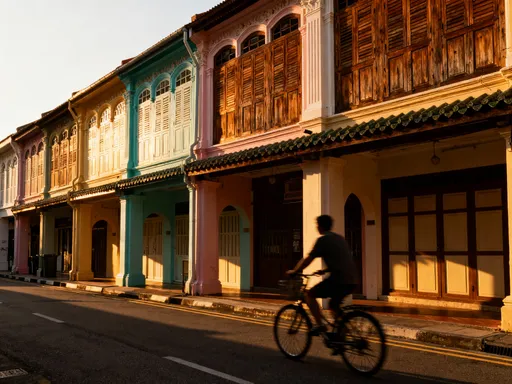
At the center of Wrocław lies the Rynek, one of the largest and most visually striking market squares in Europe. Spanning over two hectares, it is a grand open space surrounded by more than 300 colorful townhouses, each painted in vibrant hues of ochre, terracotta, and sky blue. These buildings, many dating back to the Renaissance and Baroque periods, feature ornate gables, decorative carvings, and intricate stucco work that reward close observation. Unlike some historic squares that feel preserved behind glass, Wrocław’s Rynek is alive with activity—yet never overwhelming.
Sitting at a café with a cup of coffee or herbal tea, one can spend hours watching the light shift across the facades. In the morning, the eastern buildings glow in soft gold; by afternoon, shadows stretch across the cobblestones; and at dusk, warm lantern light reflects off the painted walls, giving the square a dreamlike quality. This changing atmosphere is part of what makes the Rynek so captivating. It is not a static postcard but a living canvas that evolves with the day.
Slowing down here reveals details that fast-paced tourists often miss. Look closely at the corners of buildings, and you might spot small sculptures—mythical creatures, historical figures, or whimsical faces carved into the stone. Above doorways, inscriptions in Latin or old Polish hint at past ownership or craftsmanship. Even the cobblestones tell a story, some worn smooth by centuries of footsteps, others replaced in different patterns that mark historical restorations.
The square is also home to the Town Hall, a Gothic masterpiece with a towering clock and an observation deck offering panoramic views. But the true magic lies not in climbing to the top, but in staying at ground level—observing street performers, listening to the chime of the clock, or simply watching pigeons scatter as children run past. The Rynek invites stillness, reminding visitors that beauty often resides in the ordinary when given the time to be noticed.
Green & Serene: Parks and Riverside Escapes
Wrocław is a city of green lungs and gentle waterways, where nature and urban life coexist in quiet harmony. Among its most cherished spaces is Szczytnicki Park, one of the oldest public parks in Poland. Stretching along the banks of the Oder, it offers wide lawns, shaded walking paths, and clusters of mature trees that create a sense of seclusion despite being just minutes from the city center. This is a place for contemplative strolls, quiet reading on a bench, or simply sitting by the water and watching the current drift by.
Within Szczytnicki Park lies the Japanese Garden, a serene oasis built in the early 20th century. Designed with traditional principles of balance and harmony, it features a koi pond, wooden bridges, stone lanterns, and carefully pruned trees. The garden changes beautifully with the seasons—cherry blossoms in spring, lush greenery in summer, golden ginkgo leaves in autumn, and a quiet stillness in winter. Visiting during the early morning or late afternoon ensures fewer crowds and a more meditative atmosphere, allowing the senses to fully absorb the tranquility.
Other green spaces, such as the Botanical Garden and the smaller Plac Wolności, offer additional opportunities for peaceful retreat. The Botanical Garden, managed by the University of Wrocław, houses over 10,000 plant species and includes greenhouses with tropical and desert plants. It is a place of quiet education and natural beauty, ideal for families or those seeking a slower, more reflective pace.
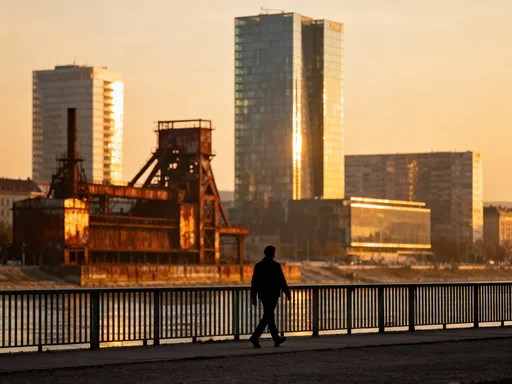
Along the riverbanks, dedicated pedestrian paths invite long walks or leisurely bike rides. These routes are especially peaceful outside peak hours. Early risers might encounter joggers, dog walkers, or fishermen casting their lines into the slow-moving water. The reflections of buildings and trees on the river’s surface create a mirror world, doubling the city’s beauty. For those seeking solitude, a walk along the southern embankment near the Centennial Hall offers wide views and a sense of space rarely found in historic city centers.
The Dwarf Hunt: A Quirky Lens on Urban Discovery
One of Wrocław’s most beloved traditions is the presence of small bronze dwarf statues scattered throughout the city. Known locally as “krasnale,” these whimsical figures number in the hundreds, each placed in a unique location—a doorway, a windowsill, a tree stump, or even a manhole cover. They began as a symbol of anti-communist resistance in the 1980s and have since evolved into a playful citywide treasure hunt that encourages exploration beyond the main tourist routes.
Searching for the dwarfs is not about collecting photos or checking them off a list. Rather, it becomes a mindfulness exercise—an excuse to slow down, look closely, and notice the overlooked corners of the city. A dwarf riding a bicycle on a windowsill might lead you to a quiet alley filled with street art. One holding a coffee cup could draw your attention to a charming café you might have otherwise passed. Each discovery feels personal, a small reward for paying attention.
The dwarfs also reflect Wrocław’s sense of humor and resilience. Many are dressed in costumes—a chef, a student, a firefighter—adding local flavor and storytelling to the urban landscape. Children delight in finding them, but adults often find equal joy, reconnecting with a sense of wonder that city life can sometimes dull. The hunt naturally leads travelers into residential neighborhoods, where daily life unfolds away from the postcard views, offering a more authentic connection to the city’s spirit.
Maps and apps exist to guide dwarf seekers, but the best approach is to wander without a fixed plan. Let curiosity lead the way. You might stumble upon a dwarf reading a book in a hidden courtyard, only to notice the ivy-covered walls, the sound of a piano from an open window, and the scent of flowers in a planter. These layered experiences—triggered by a simple sculpture—are what make Wrocław so special. The dwarfs are not just tourist attractions; they are invitations to see the city with fresh eyes.
Beyond the Center: Quiet Neighborhoods with Character
While the market square and riverbanks draw most visitors, some of Wrocław’s most authentic moments lie in its surrounding neighborhoods. Areas like Ołbin, Biskupin, and Wrzeszcz offer a different perspective—one shaped by everyday life, local commerce, and residential charm. These districts are filled with pre-war townhouses, tree-lined avenues, and corner shops where residents greet each other by name.
Walking through Ołbin, one notices the pastel-colored facades, wrought-iron balconies, and flower boxes brimming with seasonal blooms. It is a neighborhood that feels lived-in and cared for, where life moves at a gentle pace. A bakery might display fresh pączki (Polish doughnuts) in the morning, while an open-air market offers seasonal fruits, honey, and handmade crafts. Sitting on a bench in a small park, you might overhear conversations, laughter from a nearby schoolyard, or the chime of a church bell—small sounds that compose the city’s daily soundtrack.
Biskupin, another residential gem, is known for its green spaces and proximity to the Oder. Here, streets curve gently, and homes are set back behind hedges and gardens. It is a place where families take evening walks, dogs are walked on leashes, and bicycles are parked outside front doors. The atmosphere is peaceful, almost suburban, yet still within easy walking distance of the center.
Spending time in these neighborhoods adds emotional depth to a visit. It moves the experience beyond sightseeing into the realm of connection. A brief conversation with a vendor, a shared smile with a passerby, or the simple act of observing daily routines can create lasting memories. These moments do not fit neatly into travel brochures, yet they often define how we remember a place. In Wrocław, the heart of the city is not just in its monuments, but in its quiet streets and local life.
Why Slowing Down Transforms How We See Cities
The experience of Wrocław offers a powerful reminder: the way we travel shapes what we see, remember, and feel. In an age of rapid movement and digital distraction, slowing down is an act of resistance—a choice to be present, to notice, and to connect. Cities like Wrocław reward this mindset with layers of beauty, history, and humanity that remain invisible to those who rush through.
True sightseeing is not about ticking off landmarks or capturing the perfect photo. It is about cultivating awareness—of architecture, of light, of people, of self. When we walk without urgency, we begin to notice patterns: the way shadows fall across a wall at a certain hour, the rhythm of a street musician’s melody, the warmth of sunlight on stone. These moments accumulate, forming a deeper, more personal understanding of a place.
Psychologically, unhurried travel reduces stress and enhances well-being. Studies show that mindful exploration activates the parasympathetic nervous system, promoting relaxation and emotional balance. In Wrocław, this effect is amplified by the city’s harmony of water, greenery, and human-scale design. There is no need to shout to be heard; the city speaks in whispers, in details, in pauses.
Ultimately, the lesson of Wrocław extends beyond one destination. It is an invitation to approach every place—near or far—with curiosity and stillness. Whether in a bustling capital or a quiet village, the act of slowing down allows us to see more, feel more, and remember more. It transforms travel from a series of snapshots into a living, breathing experience. So the next time you wander, let go of the map, silence the notifications, and simply walk. Let the city reveal itself, one quiet moment at a time.