Sarajevo’s Food Scene: What Tourists Always Get Wrong (And How to Eat Like a Local)
You know that feeling when you’re wandering through a new city, stomach growling, only to realize you’ve been scammed by an overpriced tourist trap? Yeah, I’ve been there—especially in Sarajevo. The city’s rich culinary culture is often overshadowed by restaurants banking on foot traffic, not flavor. But here’s the good news: authentic Bosnian food is absolutely within reach—if you know where to look and what to avoid. This isn’t about chasing Michelin stars or fancy plating. It’s about finding warmth in a flaky burek fresh from the oven, savoring smoky ćevapi grilled over open flames, and sharing a pot of strong Bosnian coffee with people who’ve lived here for generations. Sarajevo’s true flavors don’t shout—they whisper. And if you listen closely, they’ll lead you to meals you’ll remember long after your trip ends.
First Impressions: My Love-Hate Encounter with Sarajevo’s Dining Culture
My first evening in Sarajevo began with excitement and ended with disappointment. Drawn by the golden glow of lanterns and the scent of grilling meat, I followed the crowd into one of the busiest restaurants in Baščaršija, the city’s historic heart. The menu promised “authentic Bosnian cuisine,” and the waiter assured me their ćevapi were handmade daily. I ordered with confidence. What arrived was lukewarm, uniformly shaped sausages, clearly mass-produced, served on a plate that felt like it had been pulled from a warmer rather than a grill. The somun bread was dry, and the kajmak tasted more like processed cream than the rich, fermented dairy I’d read about. I wasn’t just underwhelmed—I felt misled.
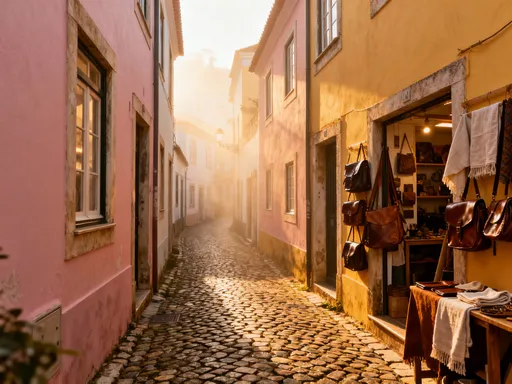
Baščaršija is undeniably beautiful. Cobbled streets wind beneath Ottoman-era arches, mosques rise gracefully into the skyline, and the call to prayer echoes softly in the late afternoon. But this charm comes at a cost. The very qualities that make it a must-see also make it a magnet for tourist-focused eateries. Restaurants here rely on visibility and volume, not craftsmanship. Their survival depends on catching the eye of passing visitors, not earning the loyalty of neighbors. As a result, many prioritize speed and presentation over authenticity. They serve variations of Bosnian dishes, but the soul is missing—replaced by frozen ingredients, reheated meals, and standardized recipes designed to appeal to unfamiliar palates.
Tourism has transformed parts of Sarajevo’s food landscape, but not always for the better. When a restaurant sees hundreds of visitors a day, there’s little incentive to perfect a slow-cooked stew or hand-roll dozens of klepe. Instead, efficiency wins. The danger isn’t that these places serve bad food—it’s that they serve average food at premium prices while calling it traditional. And for travelers eager to experience real Bosnian life, this creates a frustrating paradox: the most visible options are often the least authentic. Recognizing this dynamic is the first step toward eating well in the city. Popularity, in this case, is not a proxy for quality.
The Signature Dishes You Can’t Miss—And Why Many Restaurants Get Them Wrong
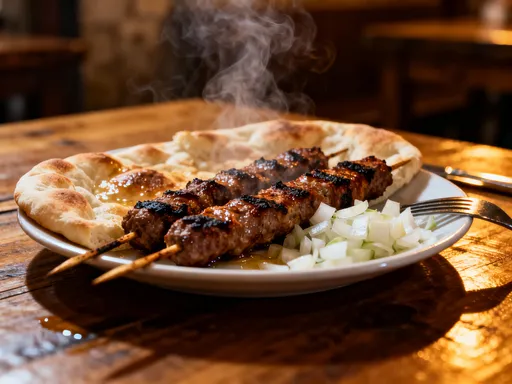
To eat like a local in Sarajevo, you need to know the essentials. Bosnian cuisine is rooted in simplicity, seasonality, and patience. Its most beloved dishes rely on a few high-quality ingredients prepared with care. The cornerstone is ćevapi—small, grilled minced meat sausages traditionally made from a blend of beef and lamb. When done right, they’re juicy, slightly charred, and seasoned just enough to let the meat shine. They’re served in fresh somun, a soft leavened bread, and accompanied by raw onions and kajmak, a creamy, slightly tangy dairy spread. The experience is humble but deeply satisfying.
Then there’s burek, a flaky, spiral-shaped pie filled with spiced meat, cheese, or spinach. Authentic burek is made with thin layers of phyllo dough, hand-stretched and coiled into a round pan. It bakes until golden and crisp, with a filling that’s moist but not soggy. The best versions are sold hot from family-run bakeries early in the morning, when locals stop by for breakfast with a cup of strong tea. But in tourist zones, you’ll often find burek made from pre-rolled dough, baked in bulk, and reheated throughout the day. The texture suffers—edges turn rubbery, the crust loses its crunch, and the filling dries out.
Other staples include sogan-dolma, onions stuffed with a savory mix of ground meat, rice, and herbs, then slow-cooked in broth until tender; and klepe, delicate dumplings similar to ravioli, filled with minced meat and served in a light broth with a dollop of sour cream. These dishes require time and attention. Sogan-dolma needs onions carefully hollowed and filled by hand. Klepe must be shaped one by one, then gently simmered. When restaurants cut corners—using canned onions, pre-made dumplings, or powdered broth—the result is a hollow imitation. The difference isn’t subtle. It’s the gap between a home-cooked meal and a cafeteria plate. Authenticity in Bosnian food isn’t a marketing term—it’s a matter of process.
The Top 3 Tourist Traps Hiding in Plain Sight
Not all restaurants in Sarajevo are created equal, and some are designed specifically to separate tourists from their money. The first red flag is the English-only menu with glossy photos of perfectly plated dishes that look nothing like what you’ll receive. These menus often list “Bosnian platters” or “traditional feasts” at prices far above local rates. If there’s no Bosnian translation, no handwritten notes, and no locals dining inside, treat it as a warning sign. These places cater to one-time visitors who won’t return to complain.
The second trap is aggressive hospitality. In genuine local spots, staff are polite but reserved. They don’t stand outside waving menus or calling out to passersby. If a waiter rushes toward you with a smile and a rehearsed pitch—“Best food in Sarajevo, very authentic!”—chances are you’re being lured into a high-turnover restaurant where quality takes a backseat to volume. These establishments thrive on impulse decisions, counting on foot traffic rather than reputation. Once seated, you’re less likely to walk away, even if the food disappoints.
The third and most telling sign is location. Restaurants situated directly on the main squares of Baščaršija, especially those with outdoor seating facing the most photographed landmarks, are almost always overpriced and underwhelming. These spots pay premium rent and need to recoup costs quickly. One well-known restaurant near Morića Han, for example, serves ćevapi that taste unmistakably frozen—uniform in shape, lacking smoky depth, and paired with somun that’s clearly not baked on-site. Locals avoid it entirely. Yet every day, tourists file in, drawn by the atmosphere and the promise of tradition. The irony is that just a five-minute walk away, tucked down a side street or up a quiet alley, are family-run kitchens serving the real thing at half the price.
How to Spot a Real Local Eaterie: The Unspoken Clues
So how do you find the real deal? Start by observing who’s inside. If you see elderly couples sharing a meal, workers on lunch break, or families with young children, you’re in the right place. Locals don’t eat at tourist traps—they know better. They go where the food is fresh, the portions are generous, and the prices are fair. Another clue is the menu. Authentic restaurants often have handwritten signs in Bosnian, sometimes with daily specials scribbled on a chalkboard. If the menu is laminated, translated into five languages, and features stock photos, it’s likely designed for visitors, not residents.
Cash-only policies are another indicator. Many small, family-run eateries don’t bother with card machines. They operate on simplicity and trust. If you’re asked to pay in cash, it’s not a drawback—it’s a sign of authenticity. Similarly, pay attention to the timing. Bosnians typically eat lunch between 1:00 and 2:30 PM and dinner after 7:00 PM. If a place is bustling during those hours, especially with locals, it’s a strong vote of confidence. Avoid arriving at 5:00 PM, when tour groups descend and restaurants shift into high-gear service mode.
Some of the best meals in Sarajevo are served in zivals—small, family-owned inns that have been operating for decades. These are not fancy. They might have mismatched chairs, faded tablecloths, and a kitchen visible from the dining area. But they’re full of character. The food is made from recipes passed down through generations, often using ingredients from the family’s garden or a nearby market. One such zival near Ferhadija Street has no sign, no website, and no English menu. But at noon, it’s packed with office workers lining up for plates of steaming klepe and homemade ajvar. That kind of loyalty isn’t faked. It’s earned, one meal at a time.
Must-Try Hidden Gems: Where I Ate Like Royalty Without the Price Tag
After days of navigating the tourist maze, I found three places that restored my faith in Sarajevo’s food culture. The first is a tiny bakery just off Gazi Husrev-beg Mosque, known only by locals as “Buregdžinica kod mosta” (the burek place near the bridge). It opens at 6:00 AM and sells out by 10:00 AM. The owner, a woman in her sixties, hand-stretches the dough every morning. Her meat burek is rich but not greasy, the phyllo crisp and flaky, the filling perfectly spiced. A slice costs less than two euros and comes with a free cup of strong black tea. There’s no seating—just a counter where people grab their pie and go—but it’s one of the most authentic experiences in the city.
The second gem is a family-run zival on a quiet street near Markale Market. It has no name, but you’ll recognize it by the red awning and the smell of grilled meat wafting into the alley. Inside, wooden benches line the walls, and the menu is written on a chalkboard in Bosnian. I ordered ćevapi and was told they’d take ten minutes—because they were being made fresh. When they arrived, they were irregular in shape, slightly charred, and served with warm somun straight from the oven. The kajmak was house-made, creamy with a hint of tang. I shared a table with a local family, and the grandmother insisted I try her homemade ajvar, a roasted red pepper and eggplant relish. It was smoky, slightly sweet, and unlike any store-bought version. The entire meal cost under ten euros.
The third is a small café near Ferhadija that doubles as a coffee house and light eatery. It’s popular with retirees and artists. They serve a simple lunch menu—usually a soup, a main dish, and a side—for a fixed price. On the day I visited, it was sogan-dolma in a rich broth with a side of pickled vegetables and fresh bread. The onions were tender, the filling savory and moist, the broth deeply flavored from hours of simmering. The owner spoke limited English but offered me a glass of šerbet, a traditional sweet drink made from rose hips, after my meal. These places don’t advertise. They don’t need to. Their reputation spreads by word of mouth, the most powerful currency in any food culture.
Navigating Menus Like a Pro: What the Words Actually Mean
Understanding a Bosnian menu can be tricky, especially when certain terms are used loosely. The word “traditional” appears frequently, but it doesn’t always mean the dish is made from scratch. Some restaurants use it to describe any meal that fits the regional profile, even if the components are pre-packaged. “Homemade” is a stronger indicator, but even that can be ambiguous. The safest approach is to ask simple questions in basic Bosnian. “Da li je ovo napravljeno danas?” (“Is this made today?”) can reveal whether a dish is freshly prepared or reheated from a batch.
Look for menu items that specify preparation methods. “Na roštilju” means grilled, which is ideal for ćevapi and other meats. “Domaci” means homemade or local, often a good sign. “Dnevni meni” refers to the daily special, usually a set meal that changes based on what’s fresh or available. These are often the best value and highest quality. Avoid dishes described as “frozen” or “quick service,” even if they’re not labeled as such—context clues matter. If a restaurant offers ten different types of burek but only one is listed as “freshly baked,” that’s the one to choose.
Another tip: pay attention to the side dishes. In authentic places, ajvar, kajmak, and pickles are made in-house. If they come in commercial jars, it’s a sign the kitchen cuts corners. Similarly, fresh bread should be warm and slightly crisp. If it’s cold or rubbery, it wasn’t baked that day. Learning these small details transforms you from a passive diner into an informed traveler. You’re no longer guessing—you’re choosing with confidence.
Putting It All Together: Your Smart Dining Strategy for Sarajevo
Eating well in Sarajevo doesn’t require insider knowledge—just a shift in mindset. Start by arriving early, especially for breakfast or lunch. The best burek is sold in the morning, and popular zivals fill up quickly. Take a few minutes to scout. Walk past the crowded squares and peek into side streets. Follow your nose. The smell of grilling meat or baking dough is a more reliable guide than any review. If you see locals inside, especially older residents, that’s your signal to go in.
Don’t rely on menu boards outside. They’re often designed to catch attention, not inform. Instead, step inside and look at the actual dining room. Is it busy? Are people eating with enjoyment? Is the staff calm and focused, not rushing between tables? Skip places with loud music, flashy decor, or waiters in matching uniforms. These are signs of a tourist operation. Opt for simplicity. A clean, unassuming space with a chalkboard menu and a few wooden tables is more likely to serve authentic food.
Balance is key. It’s okay to visit a well-known spot like Sevindola for the atmosphere and the view. But don’t make it your only meal. Pair it with a visit to a local bakery, a family zival, or a market stall. Share portions—Bosnian dishes are often meant to be enjoyed communally. And always end your meal the traditional way: with a small cup of Bosnian coffee, served in a džezva and poured into a fildžan. It’s strong, slow, and meant to be sipped while talking. This isn’t just about sustenance. It’s about ritual, connection, and taking the time to savor not just the food, but the moment.
Eating well in Sarajevo isn’t about luck—it’s about awareness. When you bypass the traps and embrace the rhythms of local life, the city reveals its true flavor. This isn’t just about food; it’s about connection, respect, and the quiet joy of discovering a culture one bite at a time. So next time you're in the valley, let your taste buds lead you off the beaten path. You won’t regret it.