Driving Through Paradise: Victoria’s Hidden Architectural Gems Uncovered
Have you ever imagined cruising through a tropical capital where colonial charm meets island soul? Victoria, the heart of Seychelles, isn’t just about beaches—its streets tell stories through colorfully painted buildings, historic markets, and Creole architecture that stands the test of time. I hit the road with keys in hand, camera ready, and discovered how driving lets you experience the city’s landmarks at your own rhythm. This is more than a tour—it’s a journey through culture, history, and the quiet beauty most tourists miss.
Setting the Scene: Why Victoria Deserves a Closer Look
Victoria, though one of the smallest capital cities in the world, holds a depth of character that belies its size. Nestled on the island of Mahé, it serves as both the administrative heart and cultural gateway of the Seychelles. Unlike sprawling metropolises, Victoria unfolds in layers—each street corner revealing traces of African resilience, French elegance, and British pragmatism. The city’s layout is compact, making it ideal for exploration by car, yet rich enough in architectural detail to reward slow, intentional travel. Visitors who take the time to look beyond the postcard-perfect beaches will find a living urban tapestry where history isn’t confined to museums but expressed in the very fabric of its buildings.
What makes Victoria especially captivating is how its multicultural roots are embedded in its design. The Creole-style homes, with their sloping roofs and wide verandas, reflect adaptation to the tropical climate, while colonial-era structures speak to centuries of shifting influence. The city’s streets follow a gentle grid pattern, with main thoroughfares like Independence Avenue and Francis Rachel Street guiding visitors through its core. Yet, branching off these arteries are quiet lanes where time seems to pause—narrow roads lined with frangipani trees, shuttered cottages, and weathered stone walls that hint at stories long told and retold.
Self-driving amplifies the opportunity to absorb these layers at a personal pace. Unlike guided tours that adhere to fixed itineraries, having a car allows travelers to pause when a certain doorway catches the light just right or to circle back when they realize they’ve missed a turn leading to a hidden courtyard. It transforms sightseeing from a checklist into a narrative, one shaped by curiosity and serendipity. For the thoughtful traveler—particularly those who appreciate heritage, design, and the quiet dignity of everyday places—Victoria offers a rare urban experience in the Indian Ocean: small enough to navigate, rich enough to remember.
The Joy of Self-Driving in a Tropical Capital
One of the most liberating aspects of visiting Victoria is the ease with which you can take the wheel and explore. Car rentals are widely available at the airport and in major tourist zones, with reputable local agencies offering well-maintained vehicles suited to island roads. Driving in Seychelles is on the left-hand side, a legacy of British rule, which may require a brief adjustment for visitors from right-side-driving countries. However, the transition is typically smooth, aided by clear signage in English and French, and a general culture of courteous driving among locals.
Road conditions in and around Victoria are generally good, with paved streets and well-marked intersections. While the city center can feel narrow due to its compact layout, traffic is light compared to larger cities, and congestion is rare—though brief peaks occur during morning and evening rush hours, particularly along the main route from the port and airport. Planning drives for mid-morning or early afternoon allows for smoother navigation and better lighting for photography. For those hesitant about city driving, the surrounding hills and coastal roads offer gentler, more scenic alternatives with minimal traffic.
Navigation is straightforward, especially with the aid of GPS apps, though it’s wise to download offline maps in advance, as signal strength can vary in hilly areas. What makes self-driving truly valuable is access. Tour buses often stick to major landmarks, but a private vehicle opens up peripheral neighborhoods like Mont Fleuri, Bel Air, and Providence, where some of the finest examples of Creole architecture are found. These areas are residential and not always included in standard tours, yet they offer an authentic glimpse into the island’s architectural heritage. Being able to stop at will—to admire a painted gate, photograph a bougainvillea-draped veranda, or chat with a local gardener—turns the journey into a deeply personal experience.
Additionally, driving allows for seamless integration of urban and natural sights. A morning spent exploring Victoria’s historic core can easily extend into an afternoon drive along the coastline, where mountainous backdrops meet turquoise waters. The flexibility to combine culture, cuisine, and scenery in a single route is one of the greatest advantages of renting a car. For the 30- to 55-year-old traveler—often balancing curiosity with comfort and family needs—this autonomy is invaluable. It means no waiting for schedules, no crowded vans, and no missing out on the quiet corners that define a place’s true character.
The Clock Tower: Victoria’s Iconic Heartbeat
Standing proudly at the center of Victoria is the city’s most recognizable landmark: the Clock Tower. A near-exact replica of London’s Royal Exchange Clock Tower, it was erected in 1903 as a gift from the administrator of Seychelles, Colonel Sir Ernest Bickham Sweet-Escott, to commemorate Queen Victoria’s Diamond Jubilee. Though modest in height, its presence is commanding—a white-painted cast-iron structure with arched openings and a green-tiled roof that catches the sunlight with quiet elegance. More than just a timepiece, the Clock Tower serves as the symbolic heart of the city, a point of orientation and a living monument to the island’s colonial past.
For visitors, stopping at the Clock Tower is both practical and poetic. It marks the convergence of several main streets, making it an ideal starting point for any self-guided tour. Parking is available in nearby side streets or in small lots within walking distance, allowing drivers to leave their vehicles and explore the surrounding area on foot. The immediate vicinity buzzes with activity—vendors selling coconuts, locals chatting on benches, and tourists capturing photos from every angle. Yet, despite the foot traffic, the tower retains a sense of dignity, standing as a quiet witness to the daily rhythm of island life.
Architecturally, the Clock Tower is a study in colonial precision and tropical adaptation. Its open arches allow for airflow, a subtle but essential design feature in the humid climate. The clock faces, though modernized over time, maintain their original charm, their hands moving with a steady, unhurried grace. Surrounding the base are flower beds and low stone walls that enhance its visual prominence without overwhelming it. The area has been carefully preserved, with city planners ensuring that new developments respect the tower’s scale and historical significance.
For families and individuals alike, the Clock Tower offers more than just a photo opportunity—it provides context. Standing before it, one can reflect on the layers of history that have shaped Seychelles: the British administration, the blending of cultures, and the island’s journey toward independence. It’s a place where past and present coexist, where children play nearby while elders recall stories of decades gone by. As a destination, it’s brief but meaningful—a moment of pause in the middle of a vibrant city, reminding travelers that even in paradise, time has its landmarks.
Victoria Market: A Living Postcard on Wheels
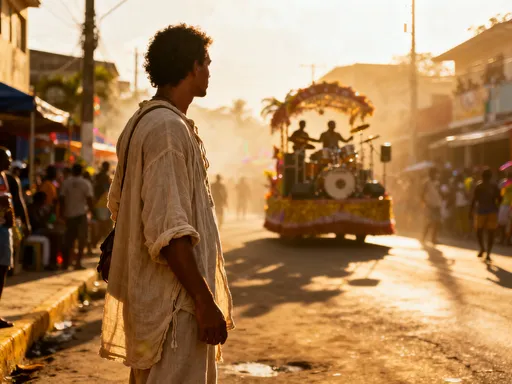
No visit to Victoria is complete without experiencing the Sir Selwyn Selwyn-Clarke Market, a vibrant hub of color, scent, and sound that has served the island for over a century. Originally established during the colonial era, the market has evolved into the cultural and economic center of daily life. Its architecture—long, low buildings with corrugated iron roofs and bright green wooden shutters—reflects a blend of functionality and colonial design, built to withstand tropical rains while allowing for ample ventilation. From the driver’s seat, the market presents itself as a living postcard, its exterior deceptively simple but hinting at the richness within.
Parking near the market is manageable, with designated spots along Francis Rachel Street and in adjacent side roads. Mornings are the best time to visit, when the market is at its most active and the produce at its freshest. Rows of stalls overflow with local fruits like mangoes, papayas, and the fragrant soursop; baskets brim with cinnamon, vanilla, and nutmeg—spices that have long defined Seychellois cuisine. Handicrafts, from woven baskets to carved coconut shells, offer authentic souvenirs that support local artisans. The air is thick with the scent of grilled fish, fresh bread, and flowering jasmine, creating a sensory experience that begins the moment you step out of the car.
What makes the market especially rewarding for self-drivers is the ability to visit multiple times—perhaps once for photos in the early light, another for shopping later in the day. Unlike tour groups that arrive en masse and depart quickly, those with their own transportation can linger, engage with vendors, and absorb the rhythm of the place. The market is not just a tourist attraction; it’s where locals come to buy, sell, and socialize, making it one of the most genuine expressions of Creole life in the capital.
The architecture of the market buildings themselves tells a story of adaptation and continuity. Wide eaves shelter shoppers from sun and rain, while open sides encourage airflow, reducing the need for artificial cooling. The use of local materials and traditional construction techniques reflects a practical wisdom passed down through generations. Recent renovations have preserved these features while improving sanitation and accessibility, ensuring the market remains a vital part of the city’s identity. For the discerning traveler, a visit here is not just about what you can buy—it’s about what you can learn: the value of community, the beauty of simplicity, and the enduring strength of tradition in a modern world.
Colonial Mansions and Creole Houses: Architecture Along the Drive
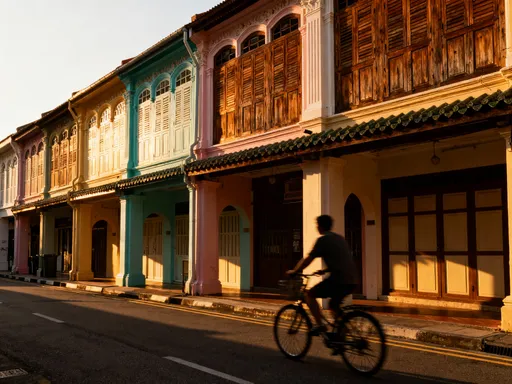
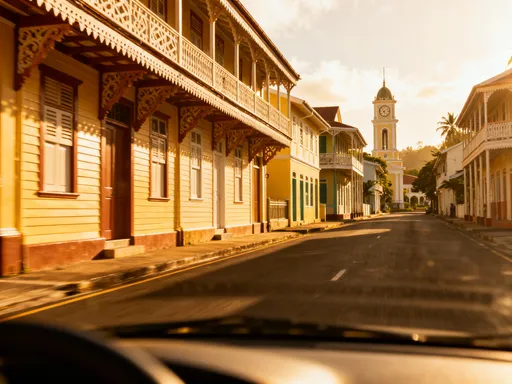
As you drive beyond Victoria’s central core, the city gives way to leafy residential neighborhoods where some of the most exquisite examples of Creole and colonial architecture can be found. Areas like Mont Fleuri, Bel Air, and Providence are home to historic planters’ homes and villas that showcase the island’s unique architectural evolution. These houses, often painted in soft pastels—creams, blues, and peaches—feature wide overhanging eaves, louvered shutters, and intricately carved wooden fretwork, known locally as “lattice work.” Designed for comfort in the tropical heat, they combine European influences with practical island adaptations, creating a style that is both elegant and functional.
The Creole house, in particular, is a masterpiece of environmental design. Elevated on stone or concrete piers, it allows for airflow beneath the structure, reducing dampness and protecting against flooding. The high-pitched roofs, often covered in metal sheets, facilitate rapid runoff during heavy rains, while the large windows and verandas invite natural light and breeze. Inside, high ceilings and cross-ventilation minimize the need for air conditioning, a testament to sustainable design long before the term became popular. Many of these homes have been preserved or restored, with owners taking pride in maintaining their historical integrity while updating interiors for modern living.
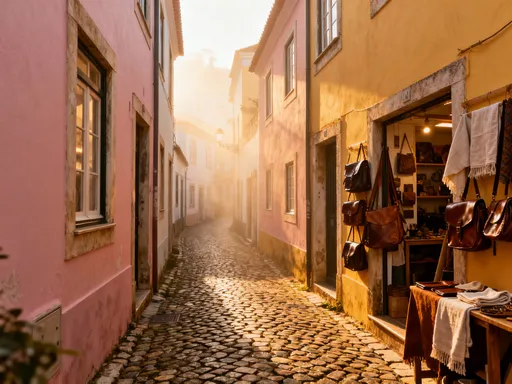
Driving through these neighborhoods offers a rare opportunity to see architecture in context—not as isolated monuments, but as part of daily life. Children play in driveways, laundry flutters on lines, and gardenias bloom beside stone pathways. Some homes are open to the public during heritage events, while others can be admired from the road. The lack of gated communities or high walls enhances the sense of connection between people and place, allowing visitors to appreciate the beauty of these structures without intrusion.
Preservation efforts have gained momentum in recent years, with local organizations and government initiatives working to protect historic buildings from demolition or inappropriate modification. In some cases, restored homes have been converted into guesthouses or cultural centers, ensuring their continued use and relevance. For travelers interested in design, history, or simply the quiet dignity of well-crafted spaces, these residential streets offer a contemplative counterpoint to the busier tourist sites. They remind us that heritage is not just in grand buildings, but in the homes where people live, love, and pass down traditions through generations.
Cultural Institutions Seen from the Road: Museums and Churches
Scattered throughout Victoria are cultural institutions whose exteriors alone are worth a slow drive-by. Among the most notable is the National History Museum, housed in a restored colonial building near the waterfront. Its coral stone walls, wooden balconies, and symmetrical façade reflect early 20th-century British colonial architecture, while the surrounding gardens enhance its stately presence. Though the museum’s interior offers valuable insights into Seychelles’ natural and cultural history, even a brief stop to admire its exterior provides a sense of the island’s architectural refinement. Designated parking nearby makes it easy to visit, and the building’s location near the harbor allows for a combined stop with a seaside walk.
Equally striking is the Anglican Cathedral of St. Paul, located just a short drive from the Clock Tower. Built in the late 19th century, its Gothic Revival elements—pointed arches, stained glass windows, and a tall bell tower—stand in contrast to the surrounding tropical landscape, creating a poignant blend of European form and island setting. The cathedral’s white walls and green roof make it highly visible from the road, and its peaceful courtyard offers a quiet place for reflection. While visitors are welcome to attend services or tour the interior, even a drive-by at golden hour—when the sun bathes the façade in warm light—can be a moving experience.
Other churches, such as the Roman Catholic Cathedral of Our Lady of Immaculate Conception, also contribute to the city’s architectural diversity. Their spires rise above the treetops, serving as visual landmarks and spiritual anchors for the community. Unlike museums, which may have limited hours, churches are often accessible throughout the day, and their exteriors are designed to be seen and appreciated from the street. For the self-driver, this means the ability to incorporate brief, meaningful stops into a broader route—pausing to observe, photograph, or simply breathe in the stillness of a sacred space.
What unites these institutions is their role as both architectural and cultural touchstones. They are not relics, but living parts of the community—places of worship, education, and memory. Seeing them from the road, framed by swaying palms and clear skies, underscores how history and faith are woven into the everyday fabric of Victoria. For travelers, especially those who value depth over speed, these quiet encounters can be among the most memorable moments of a visit.
Beyond the Center: Linking Landmarks with Scenic Routes
One of the greatest joys of driving in Victoria is the ease with which urban exploration can blend with natural beauty. The city is nestled between the sea and the hills, and many of its architectural highlights are just minutes from coastal roads and mountain viewpoints. A well-planned loop can combine the market visit with a drive up to Mount Morne Blanc or a coastal stretch toward Intendance Beach, where rugged surf meets secluded coves. These routes are not merely transitions—they are integral to the experience, offering panoramic views that frame the city’s landmarks within a broader landscape.
For example, a morning route might begin at the Clock Tower, proceed to the market, then wind uphill through Mont Fleuri, where colonial villas line the roads like jewels in the foliage. From there, a short drive leads to the Sans Souci Road overlook, where the entire city unfolds below, its red-tiled roofs and green shutters glowing in the sunlight. Continuing toward the eastern coast, drivers can stop at Anse Forbans or Baie Lazare, where fishing villages preserve traditional ways of life and small chapels dot the shoreline. Each turn reveals a new perspective—of architecture, of nature, of the harmonious balance between them.
These scenic routes also allow for flexibility in pacing. Families can plan stops at safe roadside spots for snacks or photos, while solo travelers might linger at a quiet beach to journal or sketch. The ability to move freely, without fixed schedules, means that discovery happens organically—perhaps spotting a brightly painted schoolhouse, a family tending a spice garden, or a fisherman mending nets by the water. These moments, though unplanned, often become the most cherished.
Moreover, driving connects Victoria to the wider island experience. The capital may be small, but it is the gateway to Seychelles’ soul. By wheels, travelers can trace the arc of its history—from colonial imprints to Creole resilience, from market life to mountain views. Each mile driven adds depth to understanding, transforming a simple city tour into a layered narrative of place, people, and design. It is this seamless fusion of movement and meaning that makes self-driving not just convenient, but essential to truly knowing Victoria.
Conclusion
Exploring Victoria by car is more than a practical choice—it’s a way of seeing. True discovery happens not only at the destinations but in the spaces between: in the glance at a weathered doorframe, the curve of a coastal road, the sudden glimpse of a cathedral spire through the trees. Self-driving reshapes perception, turning a linear tour into a fluid, personal journey through culture and design. It allows travelers to move at the rhythm of the island, to pause where the light is best, and to return to places that call them back.
For those who value heritage, beauty, and the quiet dignity of everyday life, Victoria offers a rare urban experience in the tropics. Its architecture—colonial, Creole, and contemporary—tells a story of adaptation, resilience, and grace. By taking the wheel, visitors gain not just access, but insight. They learn to read the city like a book, where every building, street, and garden is a sentence in a longer narrative.
As you plan your journey, remember to travel mindfully. Respect local spaces, support community-run markets, and let the architecture speak for itself. Slow down. Let the details reveal themselves. In a world that often moves too fast, Victoria reminds us that beauty is found not in speed, but in attention. One turn, one curve, one coastal view at a time, the island unfolds—not as a destination, but as a conversation between past and present, between traveler and place. And sometimes, with the windows down and the sea breeze in your hair, you realize you’re not just passing through—you’re becoming part of the story.